
Genesis 1
Genesis 1 reveals the one true God as the sovereign Creator who brings order, life, and purpose by His word and makes mankind in His image.

Old Testament
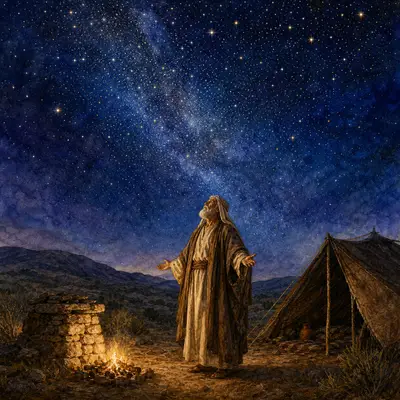
Genesis is the book of beginnings: the creation of the world, the fall into sin, the flood, the confusion at Babel, and the calling of Abraham. From Abraham, the story follows the covenant line through Isaac, Jacob, and Joseph, tracing how Yahweh's promise of a seed, a land, and a blessing to the nations survives every threat. These chapter-by-chapter commentaries trace the movement from creation to covenant, from fall to promise, and from the earliest families of the earth to the twelve sons who will become Israel.
Genesis 1 reveals the one true God as the sovereign Creator who brings order, life, and purpose by His word and makes mankind in His image.

Genesis 2 presents creation as God's temple, Adam as His covenant servant, marriage as His design, and Eden as the place of His holy presence.

Genesis 3 explains mankind's fall into sin, the curse that followed, and God's first promise that the woman's offspring would defeat the serpent.

Genesis 4 traces sin's growth from Cain's jealousy and murder to Lamech's violence, while preserving hope through the birth of Seth and worship of Yahweh.

Genesis 5 follows Adam's descendants through the repeated shadow of death, highlighting Enoch's walk with God and the continuing line of promise.
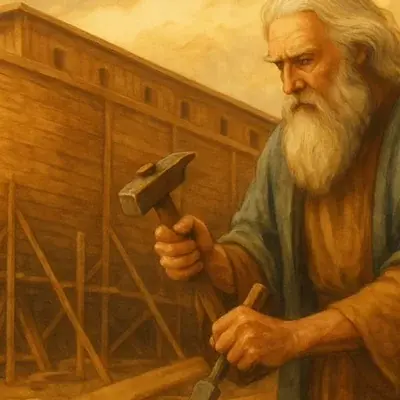
Genesis 6 describes a world filled with corruption and violence, God's righteous decision to judge it, and the grace He shows to Noah.

Genesis 7 records the flood as God's comprehensive judgment on mankind's wickedness and His merciful preservation of Noah, his family, and the animals in the ark.

Genesis 8 shows God remembering Noah, bringing the floodwaters down, receiving Noah's sacrifice, and promising to preserve the created order despite mankind's sin.

Genesis 9 establishes God's covenant with Noah and the sign of the rainbow, affirms the value of human life, and exposes sin's persistence after the flood.

Genesis 10 traces the nations descended from Noah's sons, showing God's sovereign purpose behind mankind's spread across the earth.
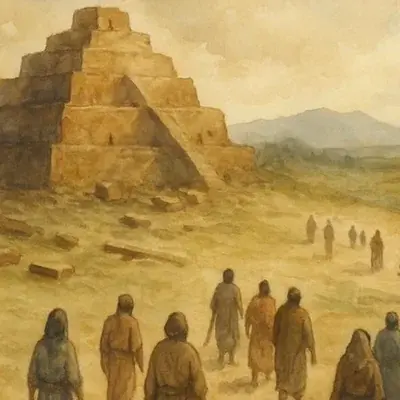
Genesis 11 contrasts mankind's proud attempt to make a name at Babel with God's sovereign scattering of the nations and preservation of the promised line.
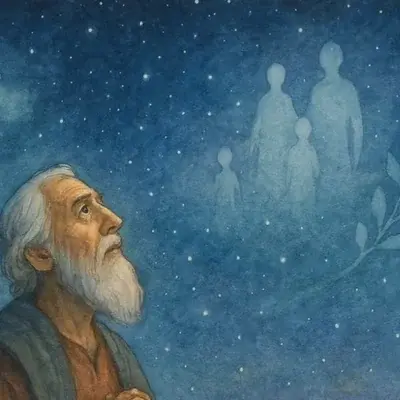
Genesis 12 records God's call of Abram and His promise to bless all nations through him, while honestly showing Abram's faith and failure.
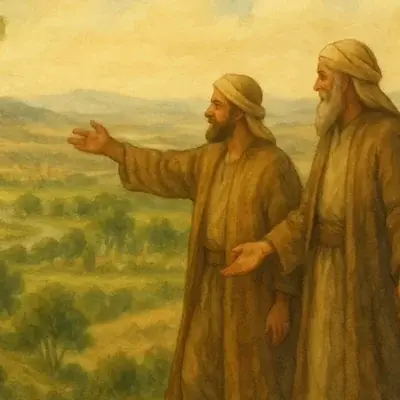
Genesis 13 contrasts Lot's choice by sight with Abram's trust in God's promise as the two separate and Yahweh reaffirms the gift of the land.
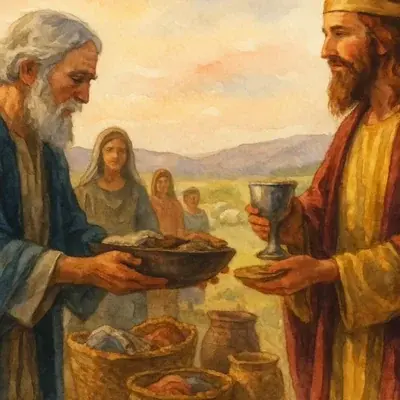
Genesis 14 follows Abram's rescue of Lot, his blessing by Melchizedek, and his refusal of Sodom's wealth as he trusts God alone for blessing.
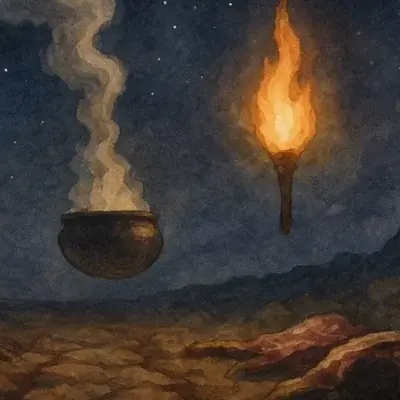
Genesis 15 shows Abram believing God's promise and being counted righteous, while Yahweh formally binds Himself to fulfil His covenant.
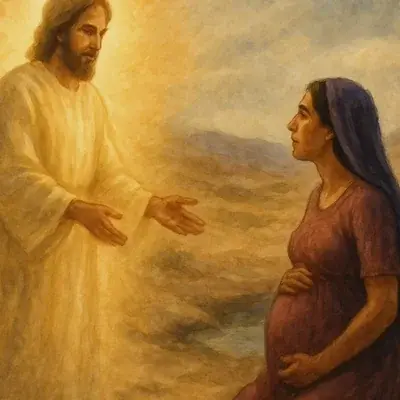
Genesis 16 exposes the pain caused when Sarai and Abram try to obtain God's promise by their own effort, and reveals Yahweh as the God who sees Hagar.
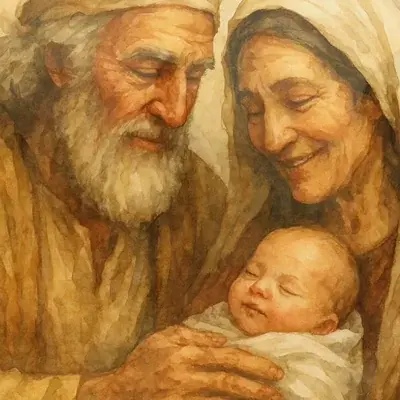
Genesis 17 reaffirms God's covenant with Abraham, gives circumcision as its sign, and promises that Sarah will bear the covenant son.
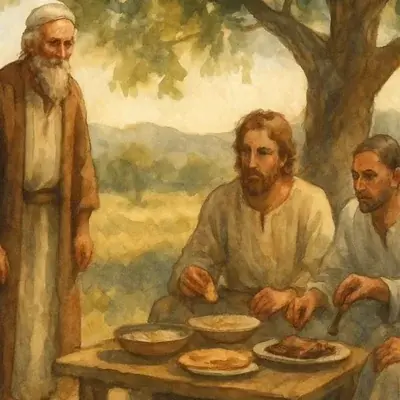
Genesis 18 records Yahweh's visit to Abraham, the renewed promise of Isaac's birth, and Abraham's intercession before the Judge of all the earth.
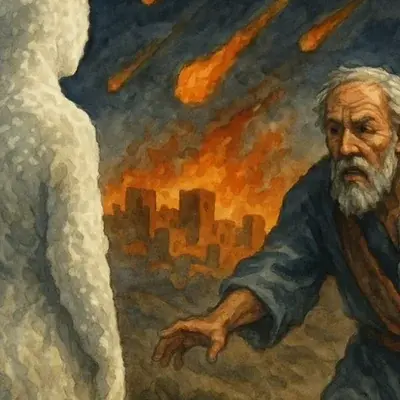
Genesis 19 recounts God's judgment on Sodom, His merciful rescue of Lot, and the devastating consequences of a life shaped by compromise.
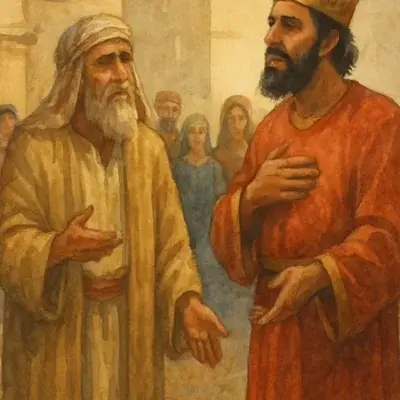
Genesis 20 shows Abraham repeating his previous failure with Abimelech while God protects Sarah and preserves His covenant promise despite Abraham's sin.
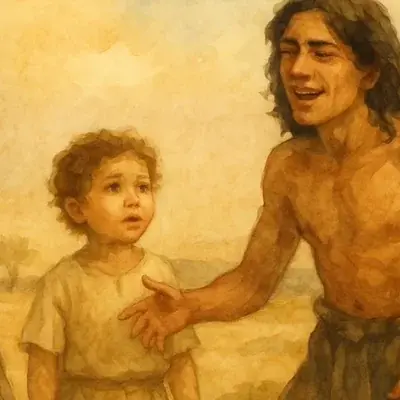
Genesis 21 celebrates Isaac's promised birth, records Hagar and Ishmael's departure, and shows God faithfully caring for both covenant and common blessing.
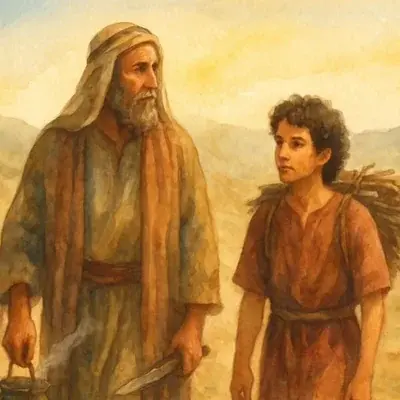
Genesis 22 tests Abraham's faith through the offering of Isaac and reveals Yahweh as the God who provides a substitute and keeps His covenant promise.

Genesis 23 records Sarah's death and Abraham's purchase of a burial place, his first legal possession within the land God promised.
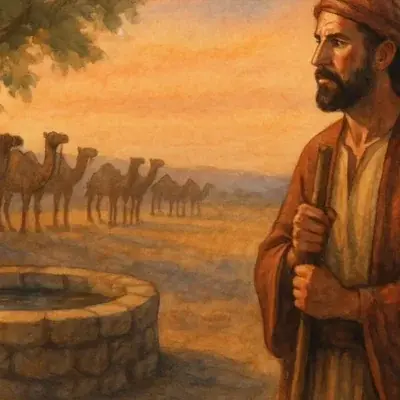
Genesis 24 shows God's providential guidance in providing Rebekah as a wife for Isaac and preserving the covenant family.
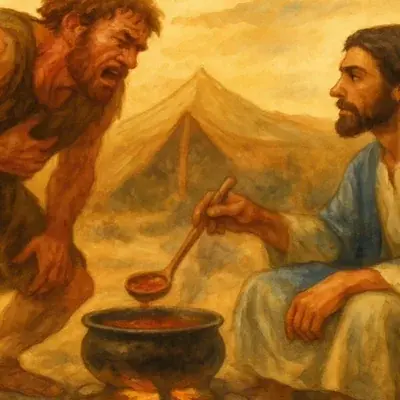
Genesis 25 closes Abraham's life and introduces Jacob and Esau, showing that God's covenant purpose rests on His sovereign choice rather than human merit.

Genesis 26 shows Yahweh preserving Isaac through conflict, famine, and failure while reaffirming the covenant promises first given to Abraham.
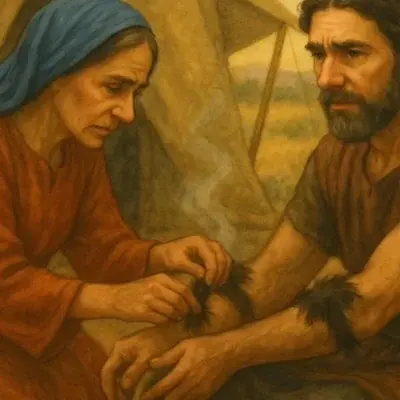
Genesis 27 recounts Jacob's deception and Esau's stolen blessing, revealing the destructive effects of family sin without overturning God's sovereign word.
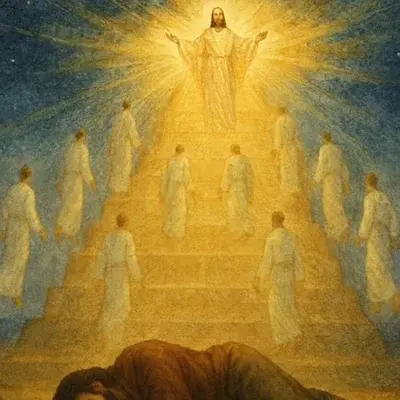
Genesis 28 follows Jacob into exile, where Yahweh appears at Bethel and promises His presence, protection, land, and worldwide blessing.
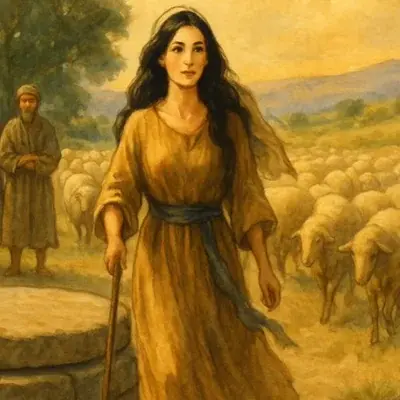
Genesis 29 records Jacob's marriages to Leah and Rachel, showing God's justice toward the deceiver and His compassion for the unloved wife.
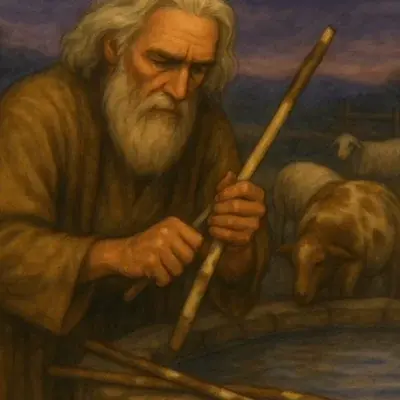
Genesis 30 traces rivalry within Jacob's household and conflict with Laban while showing Yahweh sovereignly building Jacob's family and prosperity.
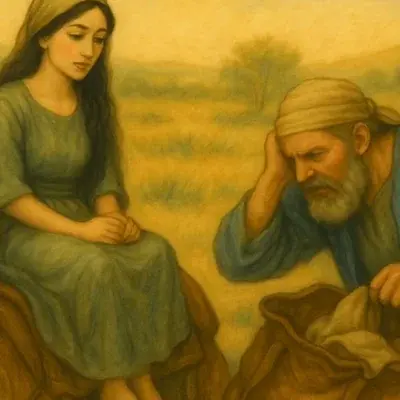
Genesis 31 recounts Jacob's escape from Laban and shows God protecting the covenant family as Jacob returns to the promised land.
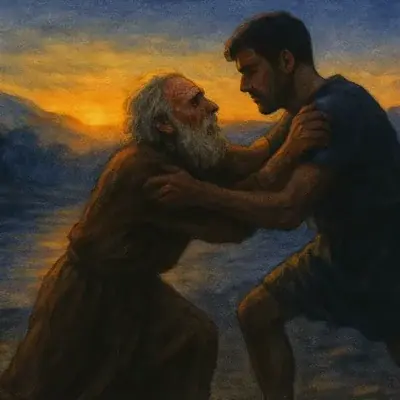
Genesis 32 follows Jacob's fearful preparation to meet Esau and his life-changing struggle with God, where he receives the name Israel.
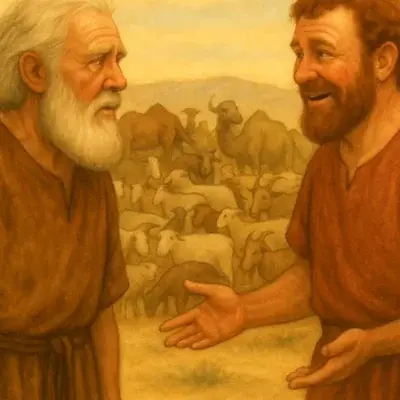
Genesis 33 records Jacob's unexpected reconciliation with Esau and his return to Canaan, while showing that his transformation remains incomplete.
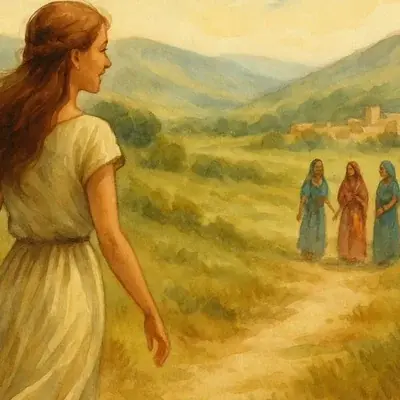
Genesis 34 recounts Dinah's defilement and her brothers' violent revenge, exposing the moral disorder within Jacob's family and the surrounding culture.
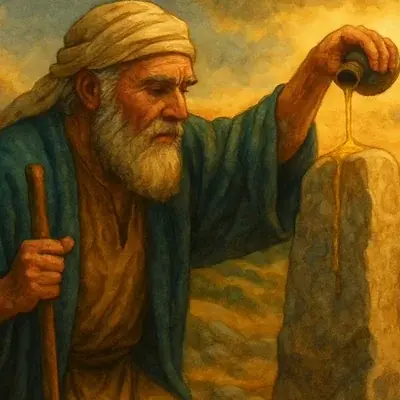
Genesis 35 follows Jacob's return to Bethel after the crisis at Shechem, where God renews His covenant promises and establishes his new identity as Israel.
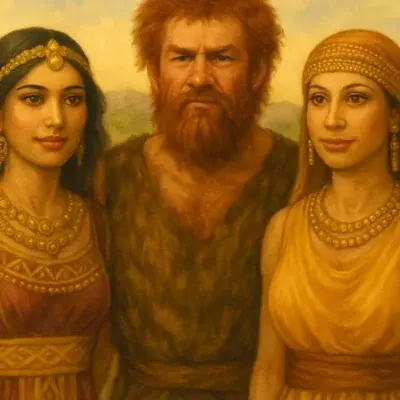
Genesis 36 records Esau's descendants and the growth of Edom, demonstrating God's faithfulness to make Abraham the father of many nations.
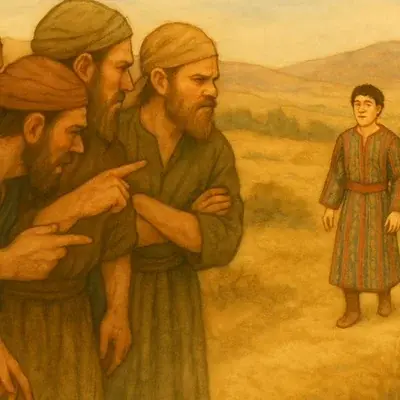
Genesis 37 begins Joseph's story with dreams, favouritism, envy, and betrayal as his brothers sell him into slavery and conceal their sin.
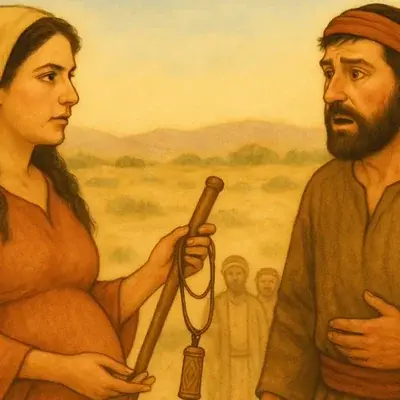
Genesis 38 exposes Judah's sin and hypocrisy through Tamar's story while showing God preserving the covenant line through deeply flawed people.

Genesis 39 shows Yahweh's presence with Joseph in slavery and prison as Joseph resists temptation, suffers injustice, and remains faithful.
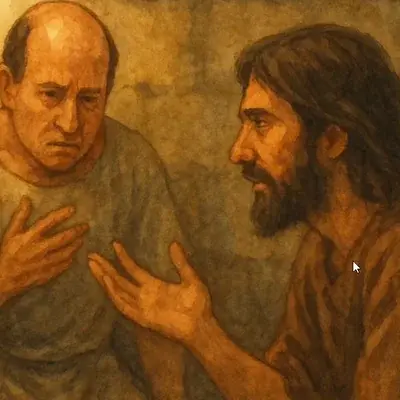
Genesis 40 records Joseph's faithful interpretation of two prisoners' dreams and the painful delay that follows when the cupbearer forgets him.

Genesis 41 shows God giving Joseph wisdom to interpret Pharaoh's dreams and raising him from prison to power in preparation for the coming famine.
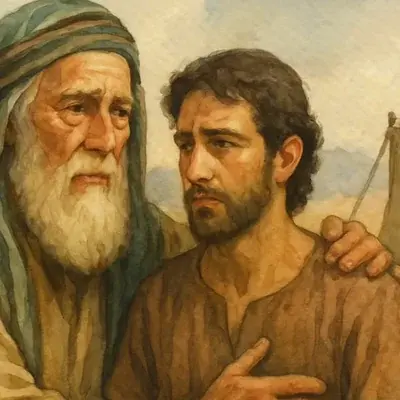
Genesis 42 brings Joseph's brothers before him in Egypt, where their testing awakens guilt over the brother they once betrayed.
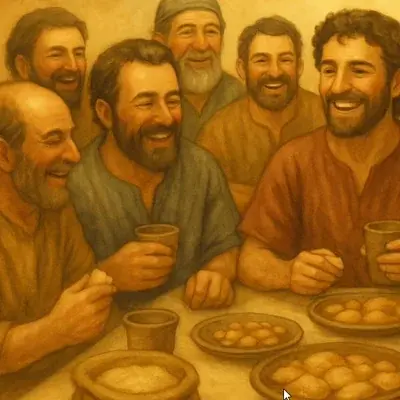
Genesis 43 follows the brothers' return to Egypt with Benjamin, where Joseph's kindness and testing begin to reveal whether their hearts have changed.
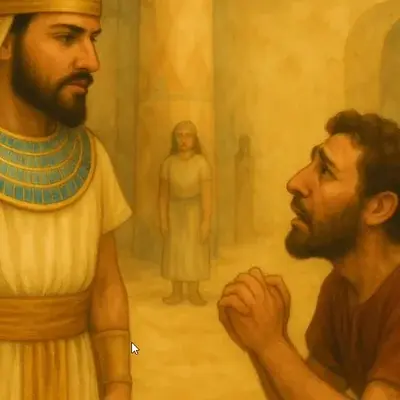
Genesis 44 presents Joseph's final test and Judah's self-sacrificing appeal for Benjamin, demonstrating a profound change in the brothers.
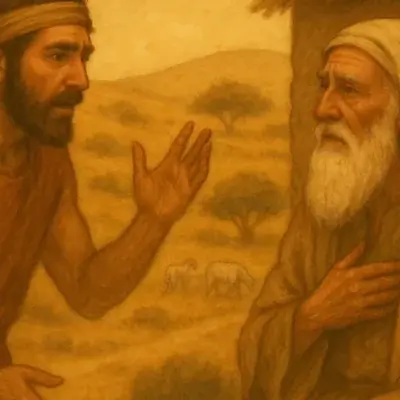
Genesis 45 records Joseph's emotional revelation to his brothers and his confession that God sovereignly used their evil actions to preserve life.
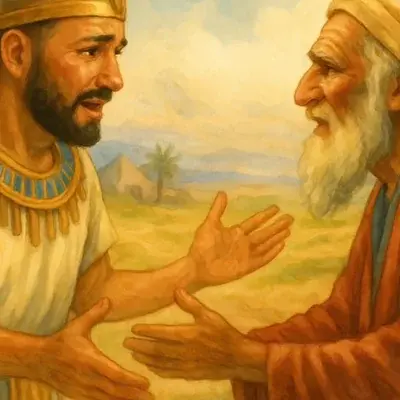
Genesis 46 shows God leading Jacob and the covenant family into Egypt, assuring him of His presence and His promise to make Israel a great nation.
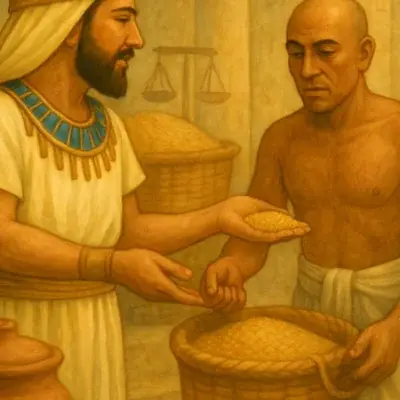
Genesis 47 contrasts God's blessing of Israel in Goshen with Pharaoh's growing control over Egypt during the famine.
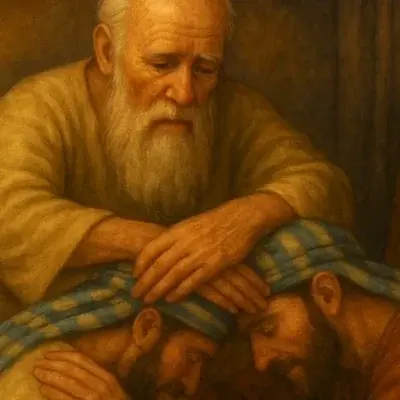
Genesis 48 records Jacob's blessing of Ephraim and Manasseh, deliberately placing the younger before the older according to God's gracious purpose.
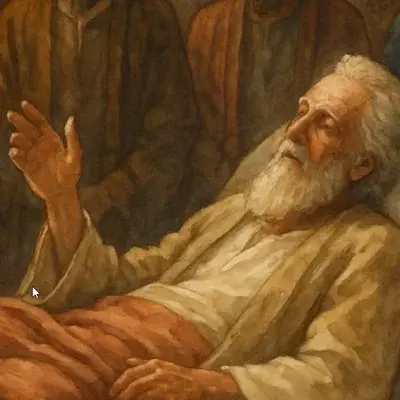
Genesis 49 contains Jacob's prophetic blessings over the twelve tribes, including the promise that kingship and worldwide obedience will belong to Judah.
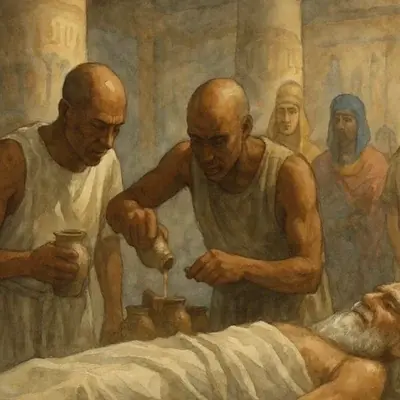
Genesis 50 closes with Jacob's burial, Joseph's forgiveness of his brothers, and confident hope that God will bring Israel back to the promised land.