Exodus 1
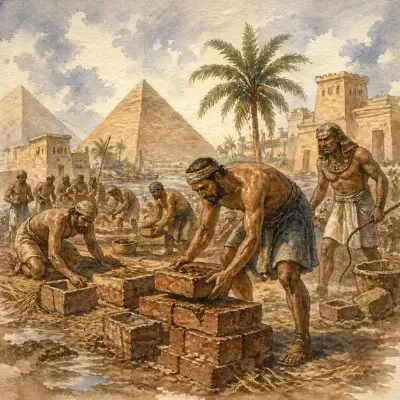
Exodus 1 shows Israel multiplying under brutal oppression in Egypt while God preserves His people and prepares to fulfil His covenant promises.

Old Testament
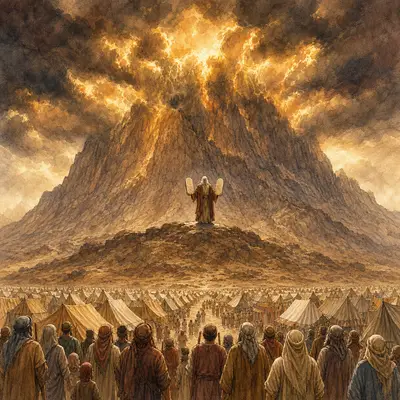
Exodus follows Israel from slavery in Egypt to the foot of Mount Sinai, where Yahweh calls His redeemed people into covenant with Himself. The book opens with Israel under Pharaoh's oppression and reaches its climax when the glory of Yahweh fills the completed tabernacle. Along the way it traces the plagues, the Passover, the crossing of the sea, the giving of the law, the golden calf, the renewal of the covenant, and the building of the sanctuary where God will dwell among His people. These chapter-by-chapter commentaries trace the great themes of redemption, the holy name of God, His presence with His people, and the pattern of worship that points forward to Christ.
Exodus 1 shows Israel multiplying under brutal oppression in Egypt while God preserves His people and prepares to fulfil His covenant promises.
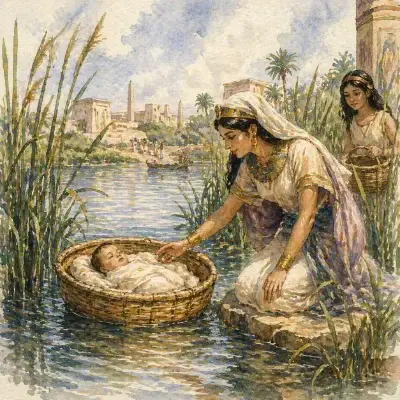
Exodus 2 traces God's hidden providence in preserving Moses, placing him in Pharaoh's household, and preparing him to become Israel's deliverer.
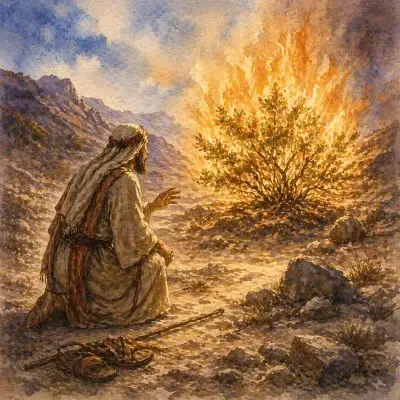
Exodus 3 records God's appearance to Moses in the burning bush, reveals His covenant name, and commissions Moses to lead Israel out of Egypt.
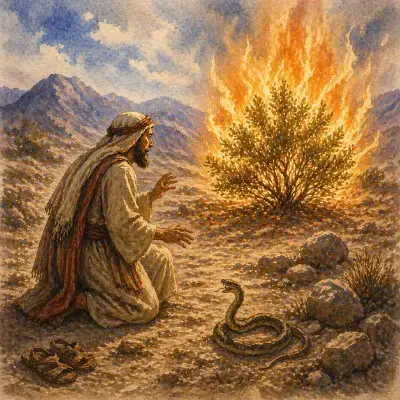
Exodus 4 answers Moses' objections with God's signs and promises, showing that Israel's deliverance depends on Yahweh's sovereign power rather than Moses' ability.
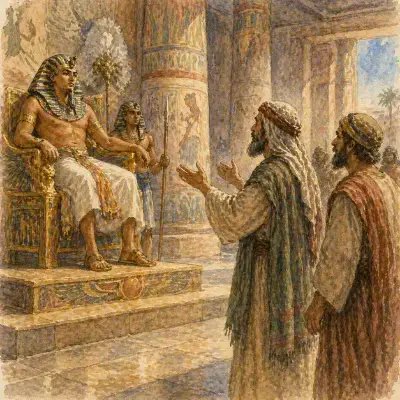
Exodus 5 shows Pharaoh increasing Israel's suffering after Moses obeys God, testing the faith of both the people and their appointed deliverer.
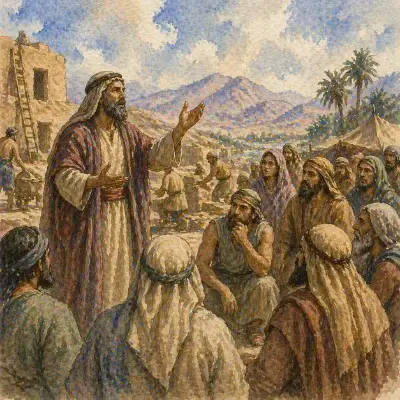
Exodus 6 reveals Yahweh's name and renews His covenant promises to redeem Israel, bring them to Himself, and give them the promised land.
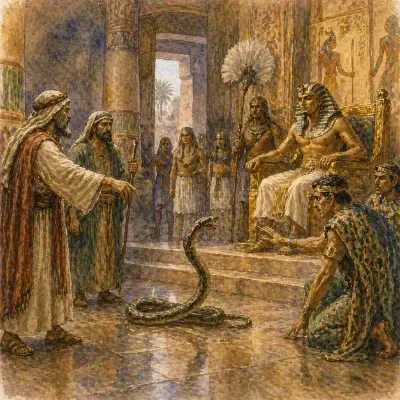
Exodus 7 begins Yahweh's public confrontation with Pharaoh, displaying His power through Moses and Aaron as Egypt's king hardens his heart.
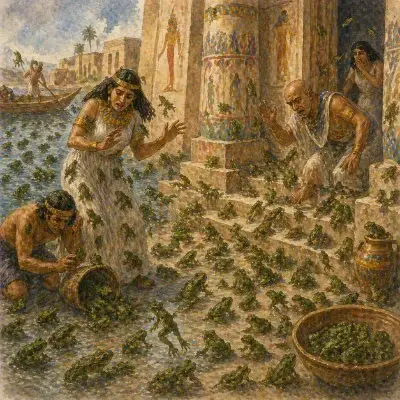
Exodus 8 records Yahweh's continuing judgments on Egypt as Pharaoh repeatedly resists God's command and refuses to let Israel go.
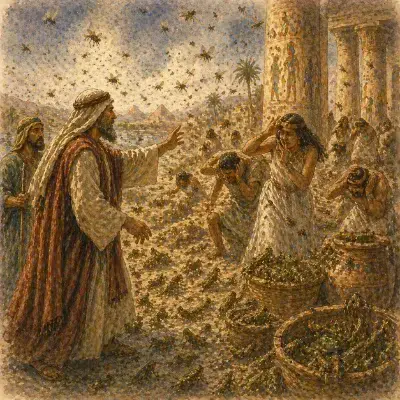
Exodus 9 reveals Yahweh's power through devastating judgments on Egypt while distinguishing Israel and proclaiming His name throughout the earth.
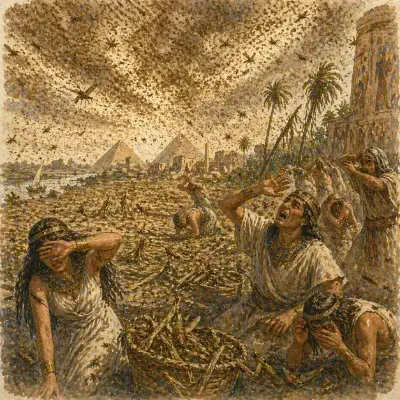
Exodus 10 recounts the plagues of locusts and darkness, exposing Pharaoh's false repentance and Yahweh's complete authority over Egypt.
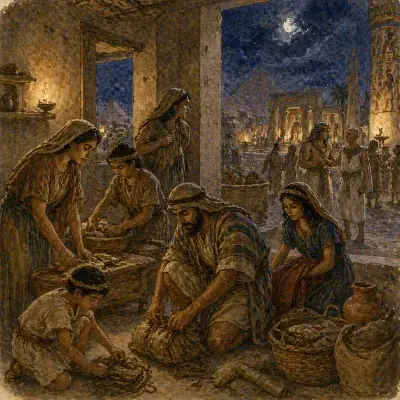
Exodus 11 declares the final plague against Egypt, revealing that Yahweh's judgment and Israel's redemption are about to arrive together.
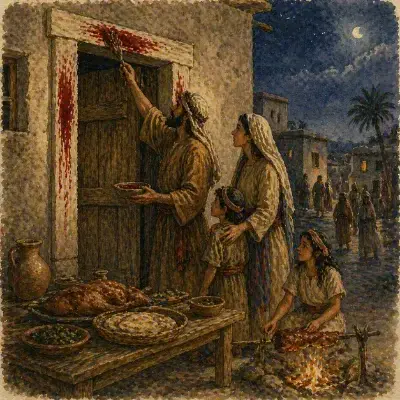
Exodus 12 establishes the Passover, where judgment passes over those sheltered by the lamb's blood, and records Israel's deliverance from Egypt.
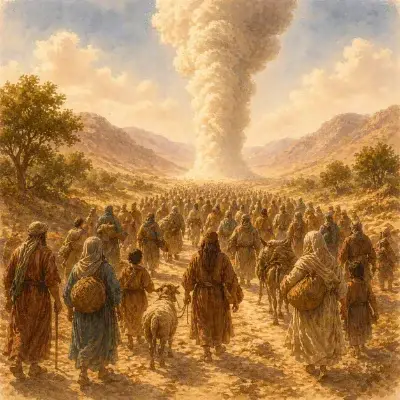
Exodus 13 commands Israel to consecrate the firstborn and remember their redemption as Yahweh leads them by cloud and fire toward the sea.
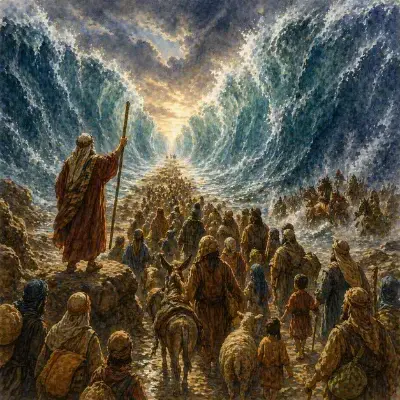
Exodus 14 records Israel's passage through the sea, where Yahweh saves His people, judges Pharaoh's army, and teaches Israel to fear and trust Him.
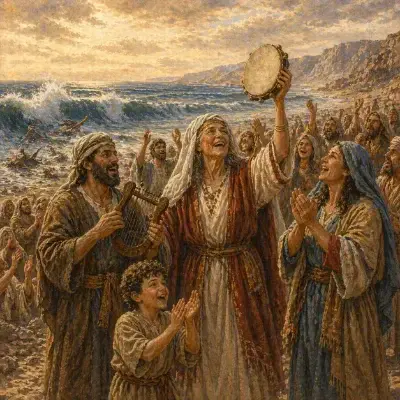
Exodus 15 celebrates Yahweh as Israel's warrior, saviour, and eternal King before testing the redeemed people at the bitter waters of Marah.
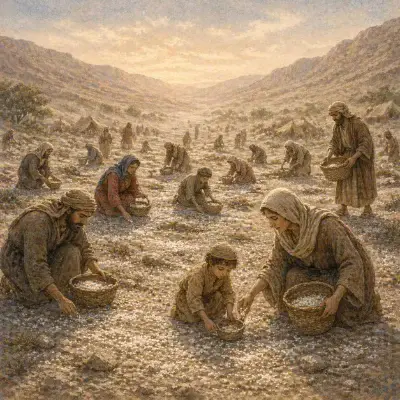
Exodus 16 shows God providing manna and quail in the wilderness while teaching Israel daily dependence, obedience, and Sabbath rest.
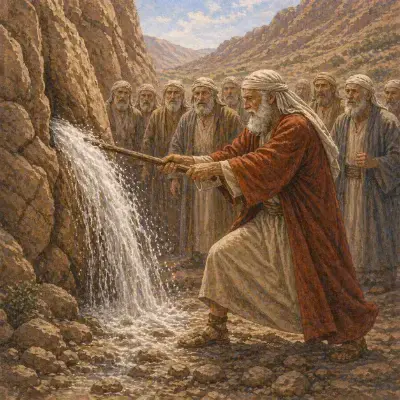
Exodus 17 records God's provision of water from the rock and Israel's victory over Amalek through dependence on Yahweh.
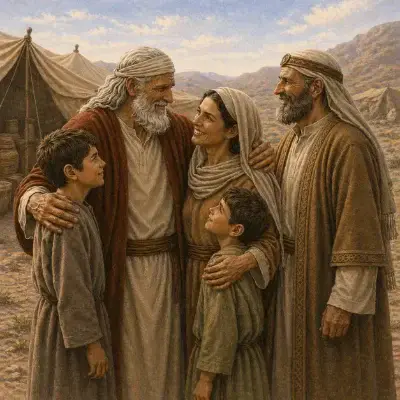
Exodus 18 shows the nations beginning to recognise Yahweh's greatness while Moses learns to share the responsibility of leading God's people.
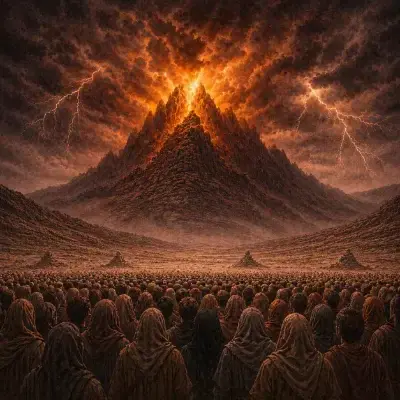
Exodus 19 brings Israel to Sinai, where Yahweh declares them His treasured kingdom of priests and descends in terrifying holiness.
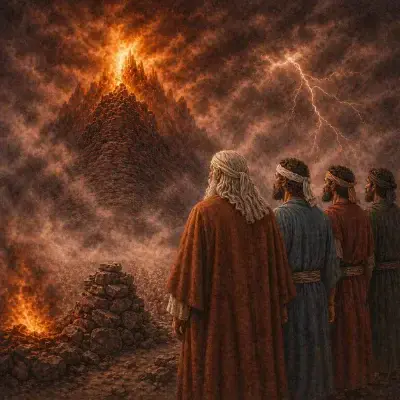
Exodus 20 gives the Ten Commandments as the covenant standard for a redeemed people living before the holy God who brought them out of Egypt.
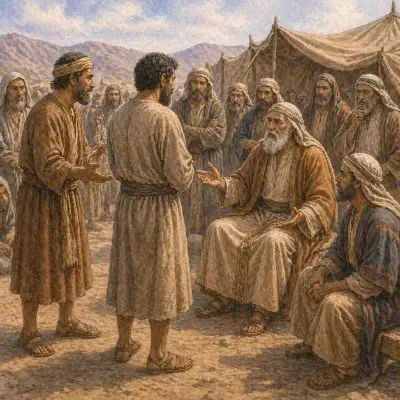
Exodus 21 applies God's covenant law to servants, violence, injury, and negligence, establishing principles of justice and personal responsibility.
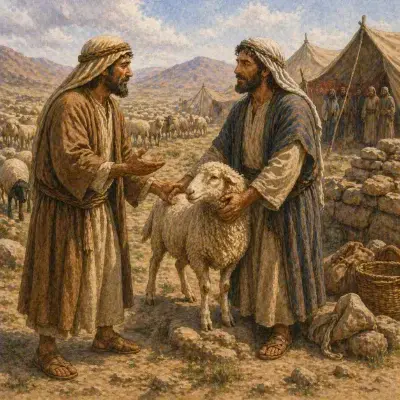
Exodus 22 applies God's law to property, restitution, worship, and care for the vulnerable, revealing justice shaped by covenant faithfulness.
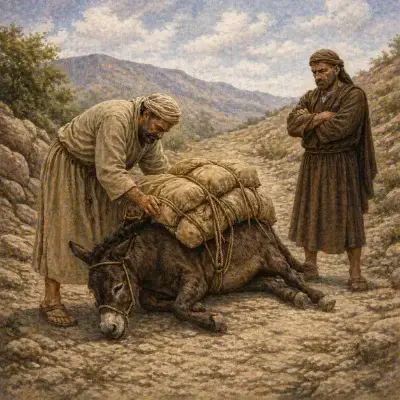
Exodus 23 calls Israel to truth, impartial justice, Sabbath rest, faithful worship, and trust in Yahweh as He leads them into the land.
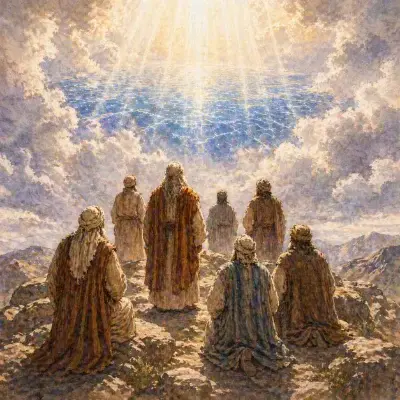
Exodus 24 confirms Israel's covenant with Yahweh through blood, pledged obedience, a covenant meal, and Moses' ascent into God's presence.
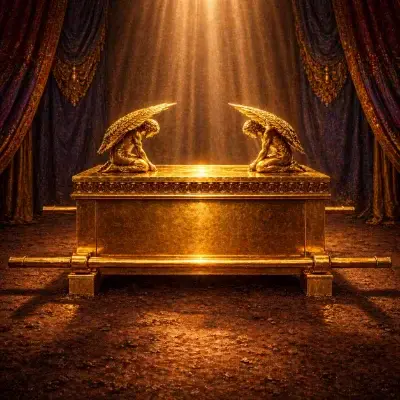
Exodus 25 begins the tabernacle instructions with the ark, table, and lampstand, revealing God's purpose to dwell among His redeemed people.
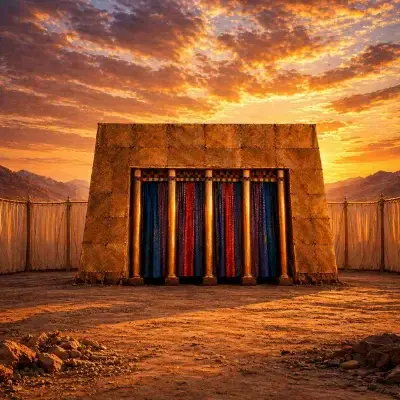
Exodus 26 describes the tabernacle's curtains, frames, and veil, teaching both the reality of God's presence and the barriers protecting His holiness.
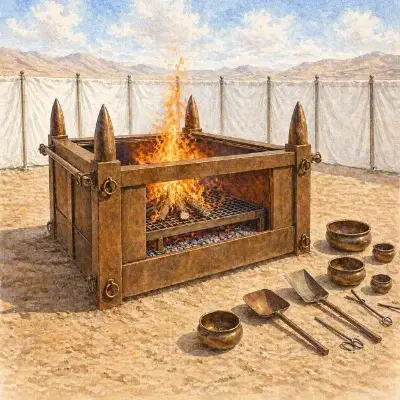
Exodus 27 describes the bronze altar, courtyard, and lamp oil, showing that sinful people approach the holy God through sacrifice and priestly service.
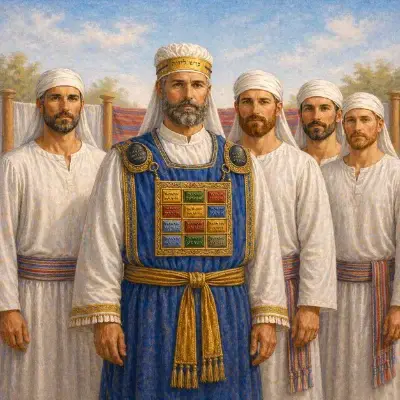
Exodus 28 describes the high priest's garments, showing how he bears Israel's names and represents the people before Yahweh in holiness.
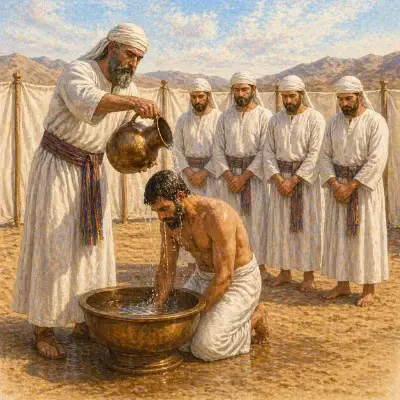
Exodus 29 establishes the priests' consecration through washing, clothing, anointing, and sacrifice so they may serve before the holy God.
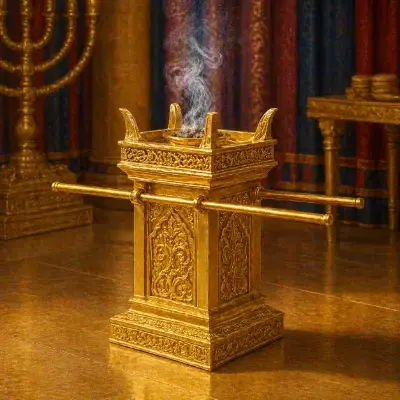
Exodus 30 describes the incense altar, atonement money, bronze basin, anointing oil, and incense required for holy service in Yahweh's presence.
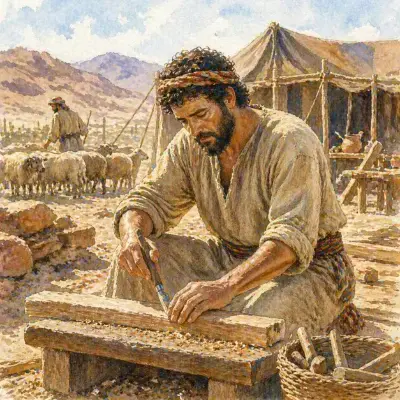
Exodus 31 reveals that Yahweh not only commands His dwelling place to be built but also provides the people, gifts, and covenant instruction needed to accomplish it.
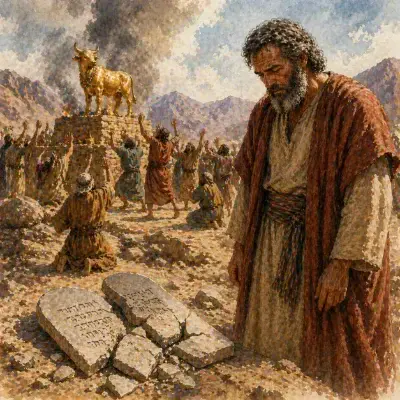
Exodus 32 recounts Israel's worship of the golden calf, the breaking of the covenant tablets, and Moses' intercession for a guilty people.
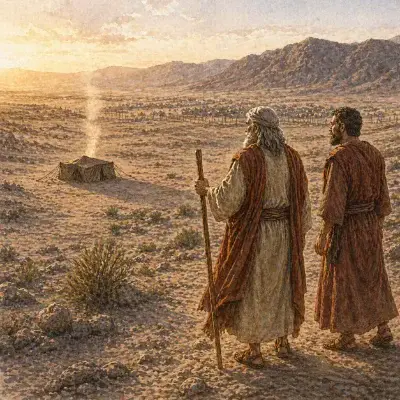
Exodus 33 explores the crisis caused by Israel's sin as Moses pleads for Yahweh's presence and asks to see His glory.
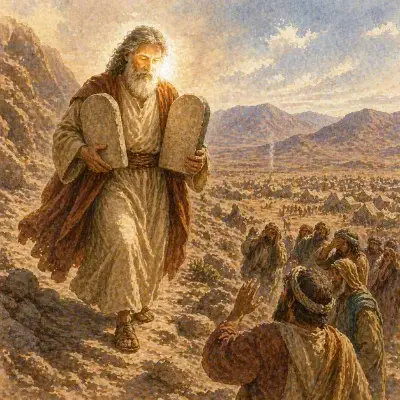
Exodus 34 reveals Yahweh's gracious and just character, renews the broken covenant, and shows His glory reflected from the mediator's face.
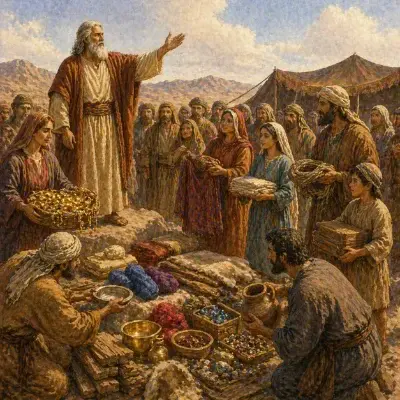
Exodus 35 begins the construction of the tabernacle as Israel responds to Yahweh's commands with willing hearts and skilled hands.
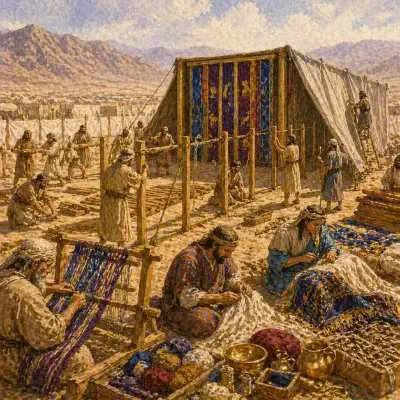
Exodus 36 records the generous provision and careful craftsmanship used to construct the tabernacle exactly as Yahweh commanded.
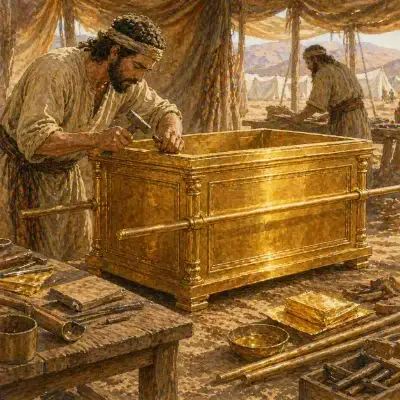
Exodus 37 describes the making of the ark, mercy seat, table, lampstand, and incense altar at the heart of Israel's worship.
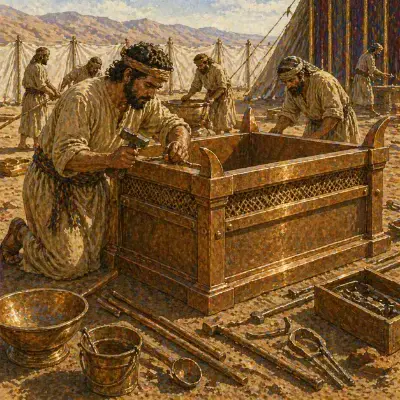
Exodus 38 records the construction of the bronze altar, basin, and courtyard, followed by a transparent accounting of the sanctuary materials.
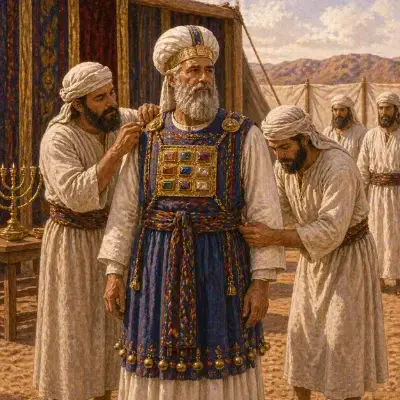
Exodus 39 completes the priestly garments and presents the finished tabernacle work to Moses, repeatedly emphasising obedience to Yahweh's commands.
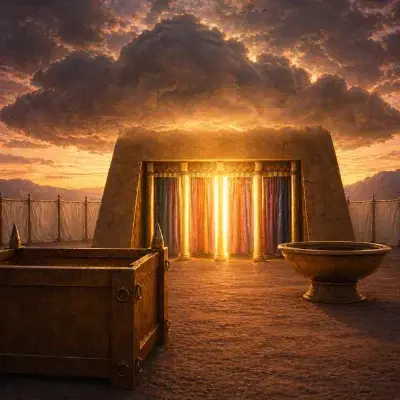
Exodus 40 reaches the goal of the Exodus as Yahweh's glory fills the tabernacle, confirming that He now dwells among His people.