Judgment
What does the Bible say about God's judgment?
The judgment of God is the righteous response of a holy God to sin. It is not arbitrary anger, not cosmic revenge, and not a failure of God’s love. It is what must happen when the God who is perfectly good and perfectly just confronts what opposes his nature. To say that God judges sin is to say that God takes sin seriously.
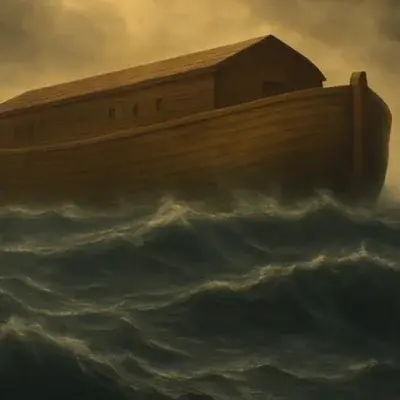
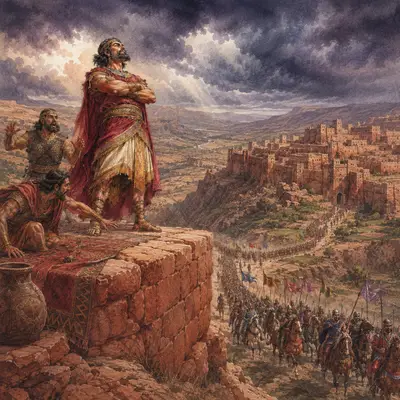
This is established from the beginning. When Adam and Eve sin in Genesis 3, God judges: the serpent is cursed, the woman bears suffering in childbirth, the man labours against a cursed ground, and both are expelled from the garden. The judgment is proportionate, explained, and executed with exactness. The same pattern runs through the whole of the Old Testament: Yahweh warns, the people sin, and the covenant curses are executed as promised. The exile of Israel and Judah is the most devastating expression of this: Yahweh keeping his covenant word, doing precisely what he said he would do if his people broke the covenant.
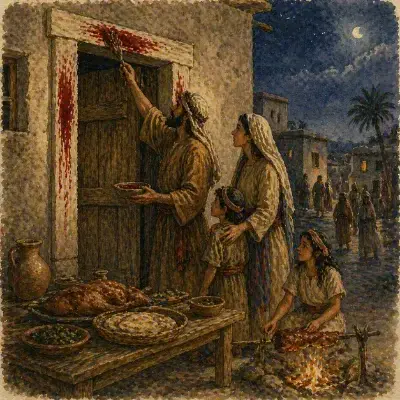
The cross is the place where God’s judgment falls most fully and most finally. Jesus Christ bears the judgment that sinners deserve: “He made Him who knew no sin to be sin on our behalf, so that we might become the righteousness of God in Him.” Judgment does not disappear at the cross; it is executed there.
What is the judgment seat of Christ?
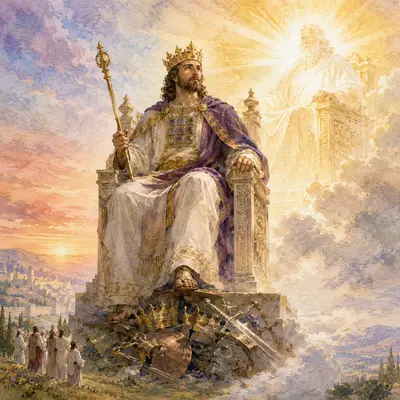
Paul warns believers that judgment is not only a future event for the unrighteous. Everyone will give an account: “we must all appear before the judgment seat of Christ, so that each one may be recompensed for his deeds in the body, according to what he has done, whether good or bad” (2 Corinthians 5:10). This is not a judgment that decides whether a believer belongs to Christ, that question is settled by faith alone, but an accounting of how that belonging was lived out.
What is the final judgment?
At the end of history, judgment reaches every person who has ever lived. John describes the scene directly: “Then I saw the dead, the great and the small, standing before the throne, and books were opened; and another book was opened, which is the book of life. And the dead were judged from the things which were written in the books, according to their deeds” (Revelation 20:12). No one is judged by rumour or reputation. Every deed is weighed with complete accuracy, and the outcome rests on whether a name is written in the book of life. Follow how this theme develops through the Bible.