
Ephesians 1
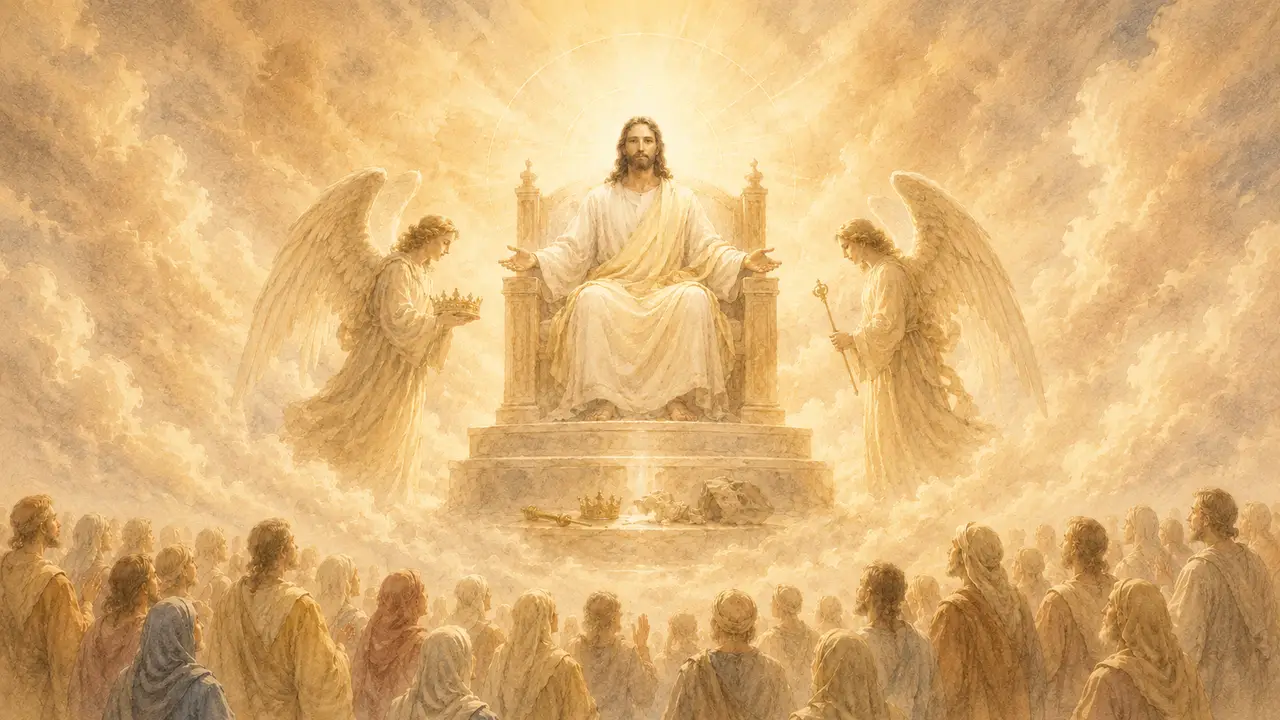
Ephesians 1 opens with Paul blessing God for every spiritual blessing given to the saints in Christ: chosen by the Father before the foundation of the world, redeemed through the Son's blood, and sealed by the Holy Spirit as the pledge of their inheritance. Paul then prays that the Ephesians would know the hope of God's calling, the riches of His inheritance in the saints, and the surpassing greatness of His power, displayed when God raised Christ from the dead and seated Him far above every rule and authority as head over the church.
Ephesians 1 Explained: Chosen, Redeemed, and Sealed
Ephesians 1 opens with Paul identifying himself as “an apostle of Christ Jesus by the will of God.” Paul begins with God’s will because God’s will governs the whole chapter. He did not appoint himself or seize the office by personal ambition. He is an apostle because God willed it. The salvation of the saints, like the apostleship of Paul, rests on the initiative and purpose of God.
He writes “to the saints who are at Ephesus and who are faithful in Christ Jesus.” Ephesus was a major city in Asia Minor, rich, religious, and influential. Acts tells us that Paul taught there, that Priscilla and Aquila helped instruct Apollos there, and that the gospel struck at the idolatrous economy surrounding Artemis, because Demetrius the silversmith realised that the preaching of Christ threatened his trade in silver shrines.
Ephesus was a difficult environment for Christian faith. The church lived among idolatry, wealth, civic pride, religious confusion, and later false teaching. So when Paul calls them “saints” and “faithful in Christ Jesus,” he is reminding them who they are and whose they are. They belong to God, and they are faithful because they are in Christ.
Paul’s greeting is full of theology: “Grace to you and peace from God our Father and the Lord Jesus Christ.” Grace and peace come from the Father and from the Lord Jesus Christ. Paul places Jesus alongside the Father as the divine source of saving blessing. Jesus is the Lord through whom grace and peace are given.
Verse 3 begins the great blessing that runs through verse 14: “Blessed be the God and Father of our Lord Jesus Christ, who has blessed us with every spiritual blessing in the heavenly places in Christ.” Paul blesses God because God has blessed His people. Paul speaks in the past tense: the blessings are already given. God “has blessed us with every spiritual blessing.” These blessings are “in the heavenly places,” which means they belong to the heavenly realm where Christ is seated and reigns. They are spiritual because they come from God by the Spirit, and they are ours because they are “in Christ.”
That phrase “in Christ” is the key to the whole chapter. Paul will repeat it again and again: in Him, in the Beloved, in Christ. God blesses His people in His Son. Election, adoption, redemption, forgiveness, inheritance, sealing, hope, and power are all found in Christ. The saints at Ephesus are secure because they are in Christ Jesus.
Paul then explains that these blessings were ordained before creation: “just as He chose us in Him before the foundation of the world, that we would be holy and blameless before Him in love.” This is ultimate election language. God chose His people in Christ before the world existed. We did not first choose Him, as though God’s saving purpose began with our decision. We did not even exist.
Before the foundation of the world, God chose His people in Christ according to His own will and grace. His purpose was “that we would be holy and blameless before Him in love.” Election establishes holiness as the purpose of God’s gracious choice. God chose His people in Christ so that sinners would be made holy before Him.
Verse 5 continues the same thought: “by predestining us to adoption as sons through Jesus Christ to Himself, according to the good pleasure of His will.” Predestination means that God determined beforehand the destiny of His people. That destiny is adoption. God forgives sinners and brings them into His family as sons through Jesus Christ.
The word “sons” matters because sonship carries inheritance. Paul is not excluding women. He is saying that every believer, male and female, receives the full inheritance-rights of sonship in Christ. In the ancient world, the son was the heir. In Christ, all the saints are brought into that status. They are adopted through the Son and brought to the Father.
The ground of this adoption is “according to the good pleasure of His will.” God did this because He willed to do it, and His will is gracious. Verse 6 gives the purpose: “to the praise of the glory of His grace, which He graciously bestowed on us in the Beloved.” Salvation is for the praise of God’s glorious grace. God bestows grace freely in the Beloved, and the Beloved is Christ Himself, the beloved Son in whom the saints are accepted. The Father’s grace comes to us in the Son. We are loved because we are in the Beloved.
Verse 7 moves from election and adoption to redemption: “In Him we have redemption through His blood, the forgiveness of our transgressions, according to the riches of His grace.” Redemption is the language of release by payment. It reaches back into the Old Testament, especially to the Exodus, where Yahweh redeemed Israel out of slavery in Egypt by His mighty hand. Paul now says that in Christ we have redemption through His blood. The deeper slavery is bondage to sin. The greater redemption is the forgiveness of our transgressions through the blood of Christ.
A transgression is sin against God. It is crossing the line God has drawn. Paul says forgiveness comes “according to the riches of His grace.” God forgives because His grace is rich and because Christ’s blood has been shed. The cross is the place where grace redeems sinners through blood. In Him we have redemption. In Him we have forgiveness. In Him the riches of grace are announced and applied.
Paul says this grace is something God “caused to abound to us in all wisdom and insight, making known to us the mystery of His will.” God’s grace gives light to His people. He makes known His will. A mystery in Paul’s letters is something once hidden and now revealed by God. God has revealed His purpose in Christ. He has opened the eyes of His people to see what He is doing in history, in salvation, and in the gathering of all things under His Son.
Verse 10 states that purpose: “for an administration of the fullness of the times, that is, the summing up of all things in Christ, things in the heavens and things on the earth in Him.” God governs history. The fullness of the times belongs to His administration, His ordered purpose, His appointed plan. That plan is the summing up of all things in Christ. Everything in heaven and on earth is being brought under Christ as the head and centre of God’s purposes. Sin has fractured creation. Christ is the one in whom God brings His purposes to their appointed fulfilment.
This gathers up the hope the Old Testament had already taught God’s people to expect. Yahweh would reign. The nations would be gathered. Creation would be restored. The scattered people of God would be brought home. The promises to Abraham, the throne promised to David, the hope of a restored Zion, and the expectation that Yahweh’s glory would fill the earth all find their appointed centre in Christ. Paul is saying that God’s plan for the fullness of the times is not merely the rescue of isolated sinners. God will sum up all things in His Son.
Verse 11 then says, “In Him, we also have been made an inheritance.” This wording is easy to pass over. Paul is not only speaking about the inheritance believers receive from God. He is also saying that believers themselves have been made an inheritance. The saints are God’s inheritance, the people He has chosen, redeemed, adopted, sealed, and claimed for Himself in Christ.
Mankind has worth because mankind is made in the image of God, and sin has defiled God’s image-bearers and brought them under judgment. In Christ, God redeems fallen image-bearers, makes them His own possession, and displays the glory of His grace in them.
This draws from the Old Testament’s repeated language of Yahweh claiming His people as His inheritance, His portion, His treasured possession, and His flock. Zechariah gives a rich picture of that hope: “Then Yahweh their God will save them in that day as the flock of His people; for they are as the stones of a crown, sparkling in His land.” That helps us feel the weight of Paul’s words. The saints are God’s inheritance, His crown-jewels, His redeemed people, shining because He has saved them and made them His own. His grace makes His redeemed people the display of His glory.
Paul says this was “having been predestined according to the purpose of Him who works all things according to the counsel of His will.” This is one of the strongest statements of God’s sovereignty in Scripture. God works all things according to the counsel of His will. His purpose is secure. His salvation rests on His will, His counsel, His grace, and His power. That is why the saints can be secure. The same God who chose them before the foundation of the world works all things according to His purpose.
Verse 12 gives the purpose again: “to the end that we who first have hoped in Christ would be to the praise of His glory.” Paul likely speaks here of Jewish believers, those who first hoped in the Messiah. Their salvation is to the praise of God’s glory. Then verse 13 expands to the Gentile believers: “In Him, you also, after listening to the word of truth, the gospel of your salvation, having also believed, you were sealed in Him with the Holy Spirit of promise.” The “you also” matters. Gentiles have been brought into the same blessing in Christ. They heard the word of truth, the gospel of salvation. They believed, and they too were sealed with the promised Holy Spirit.
The gospel is not advice, speculation, or religious philosophy. It is God’s true announcement of salvation in Christ, the declaration of what He has done through the death and resurrection of His Son. Those who believe are sealed in Christ with the Holy Spirit. A seal marks ownership, security, and authenticity. God marks His people as His own by giving them the Spirit. The same Spirit promised in the prophets now seals Jew and Gentile together in Christ.
Verse 14 explains that the Holy Spirit “is given as a pledge of our inheritance, unto the redemption of God’s own possession, to the praise of His glory.” The Spirit is the pledge, the guarantee, the first instalment of the inheritance. Believers already have redemption through Christ’s blood, and they already belong to God. They still await the final redemption of God’s own possession. The Spirit is given now as the guarantee that God will complete what He has begun. The inheritance is secure because God Himself has sealed His people.
This first great section has a clear structure. The Father chooses and predestines. The Son redeems through His blood. The Spirit seals as the pledge of the inheritance. Paul also marks the structure of this blessing by repeating its purpose three times: verse 6 says adoption is “to the praise of the glory of His grace,” verse 12 says those who first hoped in Christ are “to the praise of His glory,” and verse 14 says the Spirit seals believers “to the praise of His glory.” The whole work of salvation is ordered toward the praise of God’s glory. Ephesians 1 is centred on God. God’s grace, will, purpose, wisdom, power, and glory stand behind every blessing given in Christ.
Verse 15 begins Paul’s prayer: “For this reason I too, having heard of the faith in the Lord Jesus which exists among you and your love for all the saints, do not cease giving thanks for you, while making mention of you in my prayers.” Paul has heard of their faith in the Lord Jesus and their love for all the saints. Faith and love are evidence that the Spirit is at work among them. True faith in Christ produces love for Christ’s people. Paul gives thanks to God because faith and love are gifts of grace.
Paul then prays “that the God of our Lord Jesus Christ, the Father of glory, may give to you the Spirit of wisdom and of revelation in the full knowledge of Him.” He has already said they were sealed with the Spirit, so he is praying that the Spirit would give them wisdom, revelation, and fuller knowledge of God. The Christian life involves receiving blessings and then growing in the knowledge of them. Believers need God to open their understanding so that they know what He has given them in Christ.
Verse 18 explains this with striking language: “so that you, the eyes of your heart having been enlightened, will know what is the hope of His calling, what are the riches of the glory of His inheritance in the saints.” The “eyes of your heart” refers to inner spiritual understanding. Paul is not setting the heart against the mind. He is praying for deep, Spirit-given perception, so that believers grasp the truth of God in the centre of their being. They need to know the hope of His calling. God’s call gives hope because it rests on His eternal purpose and His finished work in Christ.
Paul also wants them to know “the riches of the glory of His inheritance in the saints.” This brings us back to the earlier inheritance language. The saints need to know what God has made them to be in Christ. They are His inheritance, His possession, His redeemed people, the display of His grace. This is theology, not flattery. God’s people are precious because He made mankind in His image and because He has redeemed His saints through the blood of Christ. The glory belongs to Him, and His inheritance is seen in the people He has claimed for Himself.
Paul’s third request is that they would know “what is the surpassing greatness of His power toward us who believe according to the working of the might of His strength.” Believers need to know the power of God toward them. Paul piles up words for power because ordinary language almost seems too small. The power working toward believers is strong, certain, and grounded in the might of God’s strength.
Verse 20 tells us where that power has already been displayed: God “worked in Christ, by raising Him from the dead and seating Him at His right hand in the heavenly places.” The resurrection of Jesus is a past event with present power for believers. God raised Christ from the dead, and He seated Him at His right hand. This is Psalm 110 language: “Yahweh says to my Lord: ‘Sit at My right hand until I put Your enemies as a footstool for Your feet.’” Paul says this enthronement has happened in Christ. The risen Jesus sits at God’s right hand and exercises the reign promised in the Psalm.
Paul continues: Christ is seated “far above all rule and authority and power and dominion, and every name that is named, not only in this age but also in the one to come.” No earthly power, spiritual power, demonic power, political power, or cosmic authority stands above Him. Every name that can be named is beneath Him. This would matter deeply in Ephesus, a city filled with spiritual fear, idolatry, magic, and imperial pressure. Paul tells the saints that Christ is above every power. The church belongs to the exalted Christ.
This is where Paul’s language reaches into the highest claims of the Old Testament. Isaiah repeatedly declares that Yahweh alone is exalted above the proud powers of the earth, that idols are nothing, and that no rival can stand beside Him. Paul now speaks of Christ as seated above every rule, authority, power, dominion, and name. The supremacy that belongs to Yahweh is displayed in the exalted Christ.
Verse 22 says, “And He put all things in subjection under His feet.” This draws on Psalm 8, where God gave man dominion over the works of His hands and put all things under his feet. Psalm 8 itself reflects Genesis 1, where mankind was made in God’s image and given dominion under God. Sin corrupted mankind’s exercise of that calling, but Christ fulfils it as the true man, the last Adam, the risen and exalted Lord. All things are placed under His feet. What Adam failed to exercise faithfully, Christ receives and fulfils perfectly. He is the man who reigns under God and the Lord who rules over all creation.
Daniel 7 also stands behind this kind of dominion language. Daniel saw “One like a Son of Man” coming with the clouds of heaven, and to Him was given “dominion, glory, and a kingdom, that all the peoples, nations, and men of every tongue might serve Him.” His dominion is everlasting, and His kingdom will not be destroyed. Paul identifies that universal dominion with the risen Christ. The One seated at God’s right hand, the One with all things under His feet, is the Son of Man who receives the everlasting kingdom.
Then Paul adds one of the most astonishing statements in the chapter: God “gave Him as head over all things to the church.” The Christ who is seated above every rule and authority, the Christ who has all things under His feet, has been given to the church. Paul says He is head over all things to the church. The universal Lordship of Christ is for the good of His people. The One who rules every power has been given to the saints as their Head.
Verse 23 says the church is “His body, the fullness of Him who fills all in all.” The church is Christ’s body because believers are united to Him. He is the Head, and they are His body. Christ fills all in all. This is vast language. Paul is not speaking of a local tribal ruler or a merely earthly king. The risen Christ exercises the universal fullness and rule that belong to God’s own saving purpose. In that purpose, the exalted Christ displays His fullness through His body, the church. The saints who were chosen, redeemed, sealed, and made God’s inheritance are joined to the risen Lord who fills all things.
Ephesians 1 therefore begins with God’s will and ends with Christ’s rule. Paul is an apostle by the will of God, and the saints are saints in Christ because God chose them before the foundation of the world. The Father blessed them, chose them, predestined them, and adopted them. The Son redeemed them through His blood and brought forgiveness. The Spirit sealed them as the pledge of the inheritance. The whole work is to the praise of God’s glory.
This chapter leaves no room for boasting in ourselves. Salvation is grounded in God’s grace in Christ. At the same time, it gives believers a profound sense of dignity. The saints are God’s inheritance, His treasured possession, redeemed through Christ’s blood, sealed by His Spirit, and joined to the exalted Christ.
Ephesians 1 teaches us to see the church and ourselves through God’s eternal purpose. The world may see weakness, division, ordinary people, and social insignificance. God sees His chosen, redeemed, sealed, and inherited people in Christ. The same power that raised Jesus from the dead is directed toward those who believe. The same Christ who reigns over every authority has been given to the church. Therefore the saints can live under pressure, surrounded by idols, false teaching, and hostile powers, knowing that every spiritual blessing is already theirs in Christ, and that all things will be summed up in Him to the praise of God’s glory.