Redemption
What does the Bible say about Redemption?
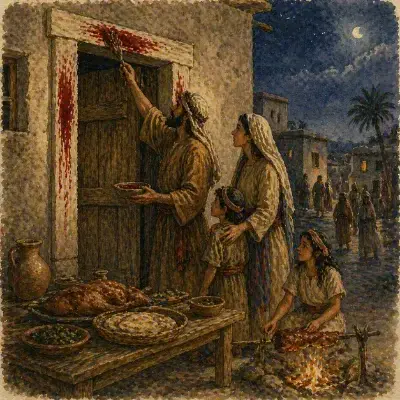
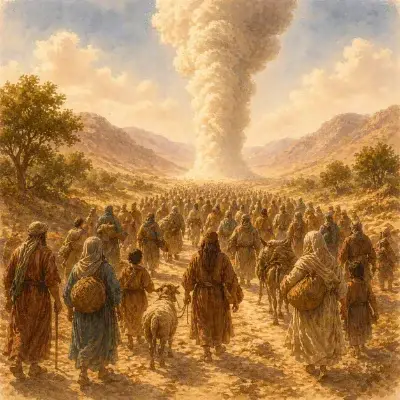
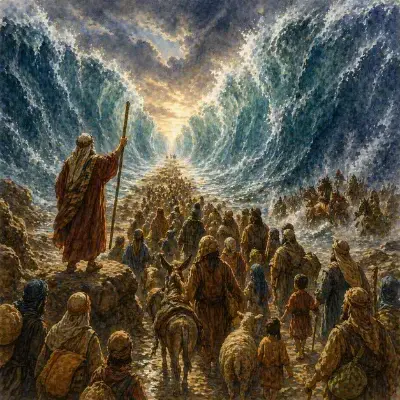
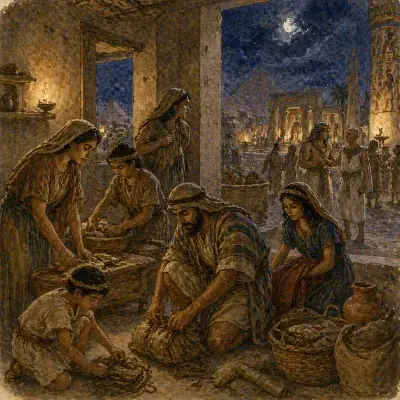
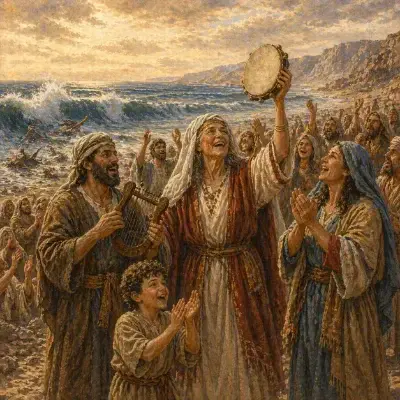
Redemption is rescue at a price. The word carries the image of buying back something that has been lost or enslaved. In Scripture, the foundational act of redemption is the Exodus: Yahweh delivering Israel out of slavery in Egypt through the death of the Passover lamb and the power of his outstretched arm. This event is so central to the Old Testament that it becomes the pattern against which every other act of divine rescue is measured.
The Hebrew concept of the goel, the kinsman-redeemer, adds personal dimension to the act of redemption. The goel was the nearest relative with both the right and the responsibility to redeem what had been lost: to buy back land, to free a relative from slavery, to preserve the name of the dead. Boaz acts as goel for Ruth and Naomi. Yahweh describes himself as the goel of Israel. The image is of someone who intervenes at personal cost to restore what was lost.
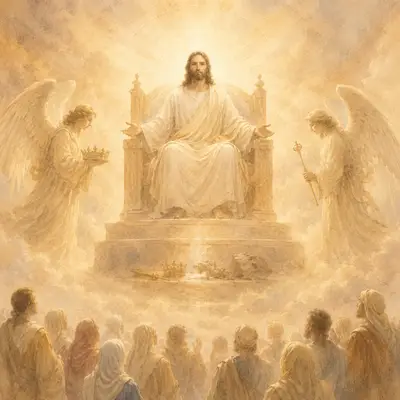
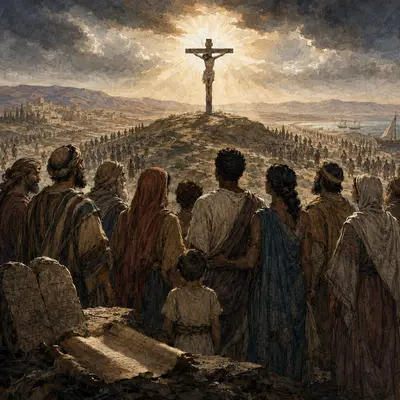
The New Testament declares that Christ is the ultimate Redeemer. Paul writes in Galatians 3 that Christ redeemed us from the curse of the Law by becoming a curse for us. Peter writes that we were ransomed “not with perishable things like silver or gold, but with the precious blood of Christ.” Redemption is accomplished at the cross: the price is paid, the captive is freed, the debt is cancelled.
What is a kinsman redeemer?
The role of the kinsman-redeemer was not sentimental; it was written into Israel’s law as an actual legal obligation carried by the nearest relative. Leviticus sets out the principle plainly: “If a brother of yours becomes so poor he has to sell part of his possession of land, then his nearest kinsman redeemer is to come and redeem what his brother has sold” (Leviticus 25:25). The redeemer had to be a near relative, willing to act, and able to pay the price. Christ meets all three conditions for sinners: he took on true humanity to become a near relative, he willingly took up the task, and he alone had the means to pay what was owed.
What does redemption cost?
Scripture is specific about the price of redemption, and it is not a payment mankind could ever have supplied. Paul writes, “In Him we have redemption through His blood, the forgiveness of our transgressions, according to the riches of His grace” (Ephesians 1:7). The currency of redemption is not silver, gold, or good works. It is the blood of Christ, and it is applied according to the riches of God’s grace rather than the sufficiency of anything sinners bring. Follow how this theme develops through the Bible.