
Hebrews 9
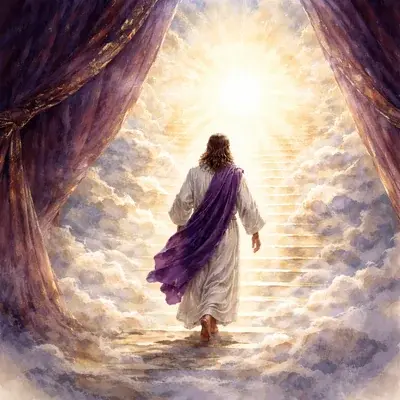
Hebrews 9 draws a clear line between the old covenant and the work of Christ, showing why the tabernacle, the priesthood, and the sacrifices were never able to bring a man into the presence of God with a clean conscience. The structure itself declared distance, the sacrifices exposed ongoing sin, and the law dealt only with what was external, leaving the heart unchanged. Into that reality Christ enters, not into an earthly copy but into heaven itself, offering His own blood once for all, securing eternal redemption, cleansing the conscience, and opening the way into the presence of God for His people.
Hebrews 9 Explained: Christ’s Once-for-All Sacrifice and Eternal Redemption
Hebrews chapter 9 continues the teaching started in chapter 7. Christ is a priest forever according to the order of Melchizedek. He mediates a new covenant.
The chapter directly compares the old covenant with the new covenant and explains why the old covenant could never bring full access to God and how Christ has done what it could not do.
The first covenant had regulations for worship and an earthly sanctuary. Hebrews 9 describes the tabernacle as it stood under Moses. There was the first room with the lampstand, the table, and the sacred bread. Behind the second veil stood the Holy of Holies, with the ark of the covenant and the mercy seat overshadowed by the cherubim.
Chapter 9 names these elements and then stops. “Of these things we cannot now speak in detail.” The concern is not architectural detail so much as structure. There was a first room and a second room separated by a veil.
The priests entered continually into the first room, performing the divine service. Only the high priest entered the second room, once a year and never without blood. He offered it for himself and for the sins of the people committed in ignorance.
The Law provided sacrifices for unintentional sins; however, it made no provision for deliberate, high-handed rebellion. Even on the Day of Atonement, ignorance was addressed, but there was no sacrifice for defiant sin. The worshipper knew this.
Because of this, a man could never stand before God with a perfect conscience. The Law itself offered no remedy for wilful transgression. The high priest returned year after year because the problem of sin remained.
The Holy Spirit was showing through this arrangement that the way into the holy places was not yet open while the first tabernacle still stood. The structure declared restricted access. The presence of God was guarded.
The gifts and sacrifices offered under that system could not make the worshipper perfect in conscience. They dealt with food and drink and various washings, regulations for the body imposed until a time of reformation. The Law exposed sin; however, it could not transform the heart.
The Law regulated outward life but did not cleanse the inner man.
Even well-intentioned religious acts, when relied upon for acceptance before God, are dead works. They cannot give life. We saw this earlier in chapter 3. The wilderness generation heard God’s voice and hardened their hearts in unbelief. The old covenant revealed that condition. It did not remove it.
“But when Christ appeared…” He entered through the greater and more perfect tabernacle, not made with hands, that is, not of this creation. The earthly sanctuary belonged to the created order. It was part of this world. The true tabernacle is the dwelling place of God Himself. It exists outside this creation. It is heaven, the throne room of God.
Christ’s priestly ministry is not earthly. He appears in the presence of God for us!
He did not enter through the blood of goats and calves. He entered through His own blood. He entered once for all and obtained eternal redemption. The repetition that marked the old covenant has ended.
Animal blood sanctified for the cleansing of the flesh. It restored ceremonial purity. It did not cleanse the conscience. The blood of Christ, who through the eternal Spirit offered Himself without blemish to God, cleanses the conscience from dead works to serve the living God.
His offering was made through the eternal Spirit, and therefore its effect is eternal. The conscience is cleansed, not temporarily relieved. Service now flows from forgiveness and life.
For this reason He is the mediator of a new covenant. His death redeems the transgressions committed under the first covenant so that those who have been called may receive the promise of the eternal inheritance.
Under the old covenant, inheritance was tied to land and could be lost through judgment and exile. Here the inheritance is eternal. It is secured by Christ’s death and cannot be taken away. The New Testament speaks of a new heavens and a new earth. The inheritance is not an abstract existence removed from creation. It is the full and permanent restoration of what God has promised.
Hebrews then explains why death is necessary. A covenant is established by death. Even the first covenant was inaugurated with blood. Moses sprinkled the book and the people and declared, “This is the blood of the covenant.” The tabernacle and its vessels were also sprinkled.
According to the Law, almost everything is cleansed with blood, and without shedding of blood there is no forgiveness. Forgiveness requires death. The old covenant began with blood. The new covenant is secured by better blood.
The earthly sanctuary and its vessels were copies and were cleansed with animal blood. The reality they pointed to required a better sacrifice. Christ did not enter a holy place made with hands. He entered the heavenly sanctuary and now appears in the presence of God for us.
He does not offer Himself repeatedly, as the high priest entered year after year with blood that was not his own. If repetition were required, He would have needed to suffer often since the foundation of the world. Instead, once at the consummation of the ages He has been manifested to put away sin by the sacrifice of Himself. His offering came at the decisive turning point of history. All that came before pointed to this moment.
It is appointed for men to die once, and after this comes judgment. So Christ also, having been offered once to bear the sins of many, will appear a second time.
His first appearing dealt with sin. When He appears again, it will not be to deal with sin a second time. It will be for salvation to those who eagerly await Him. The high priest entered the Holy of Holies and later emerged before the people. Christ has entered heaven itself. He will appear again, bringing the full completion of the salvation He has secured.
Hebrews 9 therefore shows why the old covenant could not bring the worshipper into God’s presence with a clean conscience. The structure of the tabernacle enforced separation. The sacrifices required by the old covenant covered sin committed in ignorance and had to be made year after year. And the old covenant was powerless to change the heart.
Christ has entered the true sanctuary. He has offered Himself once for all. He has obtained eternal redemption. He has cleansed the conscience. He stands in the presence of God for His people, and He will appear again to bring them into the eternal inheritance secured by His blood.