Hebrews 1
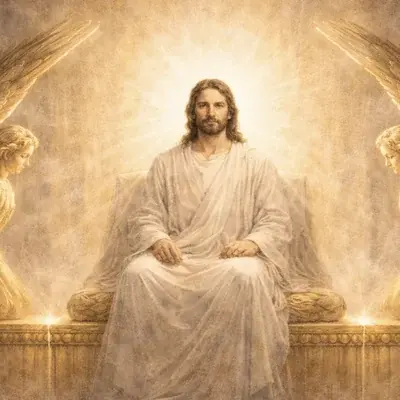
Hebrews 1 declares Jesus to be God's final revelation, the divine Creator and enthroned Son who is superior to angels and worthy of worship.

New Testament
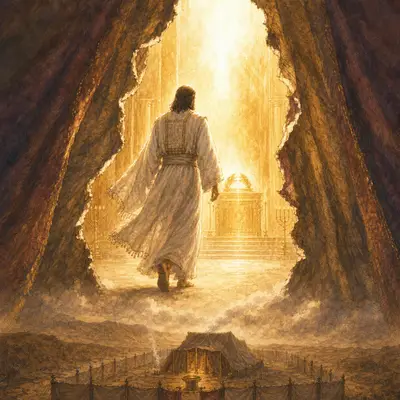
The book of Hebrews explains why Jesus Christ is greater than everything that came before Him. He is greater than angels, greater than Moses, greater than the Levitical priesthood, and the mediator of a better covenant established through His own blood. The letter was written to believers under pressure to turn back, and it answers that temptation by showing the supremacy and sufficiency of the Son.
Throughout Hebrews, the Old Testament is opened and explained in light of Christ. The sacrifices, priesthood, tabernacle, covenant, wilderness generation, and promises all pointed forward to Him. The Son has now come, accomplished purification for sins, sat down at the right hand of God, and secured eternal redemption for His people. Because of that, Hebrews repeatedly calls believers to endure in faith, hold fast their confession, and draw near to God through the finished work of Christ.
Hebrews 1 declares Jesus to be God's final revelation, the divine Creator and enthroned Son who is superior to angels and worthy of worship.
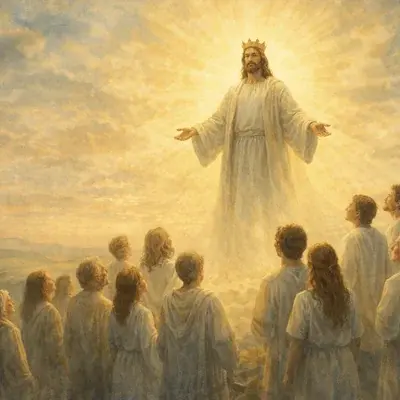
Hebrews 2 warns against drifting from the gospel and explains why the eternal Son became truly human to defeat death and bring many sons to glory.
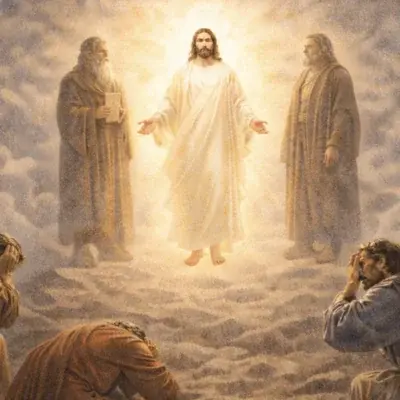
Hebrews 3 presents Christ as the faithful Son over God's house, greater than Moses, and warns the church against the unbelief of the wilderness generation.

Hebrews 4 teaches that God's promised rest remains open to those who believe and points weary sinners to Jesus, the compassionate great High Priest.

Hebrews 5 explains Jesus' appointment and perfection as eternal High Priest, then rebukes believers who remain spiritually immature in their understanding.

Hebrews 6 calls believers toward maturity, warns against apostasy, and anchors Christian assurance in God's unchangeable promise and Christ's heavenly priesthood.
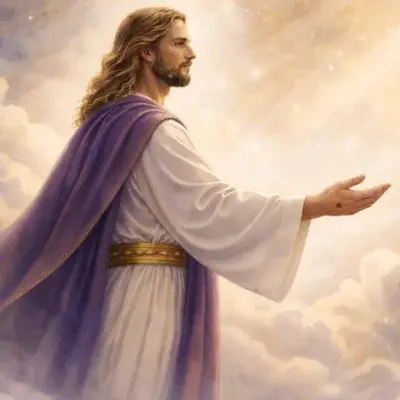
Hebrews 7 shows that Jesus' eternal priesthood after the order of Melchizedek surpasses the Levitical system and guarantees complete salvation.
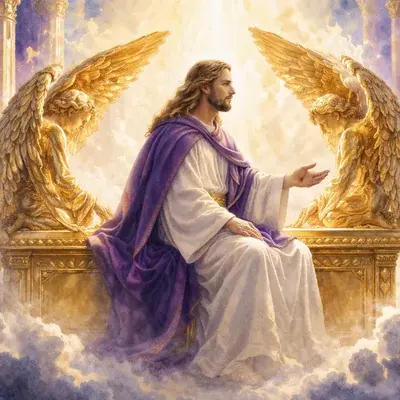
Hebrews 8 presents Jesus as the heavenly High Priest and mediator of the new covenant, founded on better promises that make the old covenant obsolete.
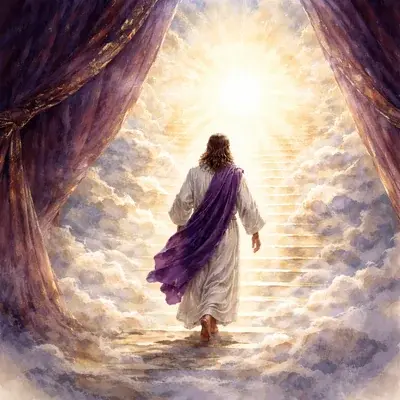
Hebrews 9 contrasts the limited old covenant sanctuary and sacrifices with Christ's once-for-all offering, which secures eternal redemption and cleanses the conscience.
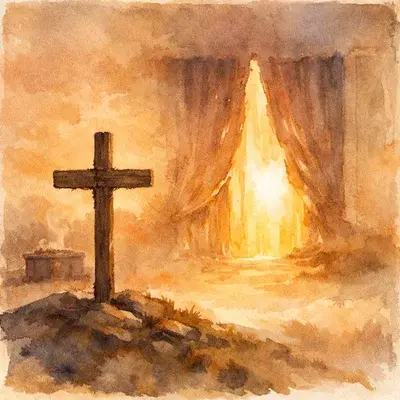
Hebrews 10 proclaims Christ's perfect once-for-all sacrifice and calls believers to draw near, encourage one another, and persevere in faith.
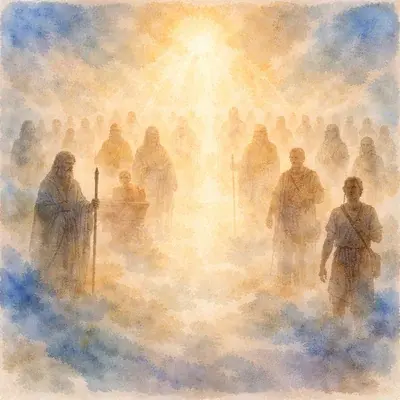
Hebrews 11 defines faith through the lives of God's people, who trusted His word, endured suffering, and looked toward promises they had not yet received.

Hebrews 12 calls believers to run with endurance, receive the Father's discipline, pursue holiness, and heed the Son who gives an unshakable kingdom.
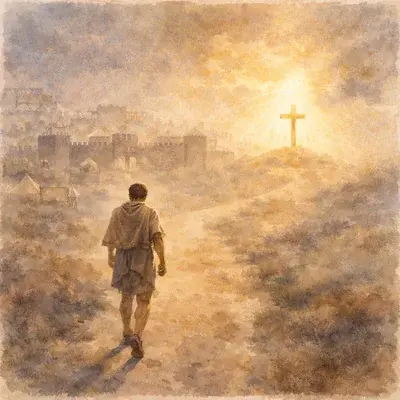
Hebrews 13 shows how enduring faith produces love, holiness, contentment, faithful church life, and allegiance to Christ outside the camp.