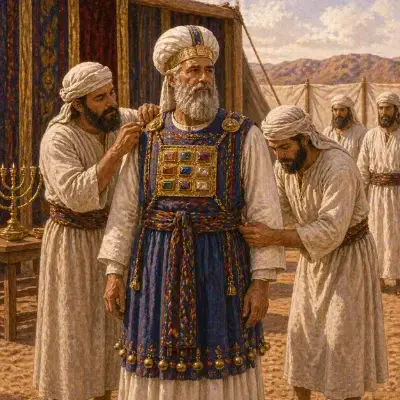
Worship
What does the Bible say about Worship?
Worship is the response of the creature to the Creator: the acknowledgment of who God is and what he has done, expressed in reverence, praise, prayer, and obedience. It is the most fundamental activity of human existence, because mankind was made for relationship with God, and worship is that relationship in its most direct expression.
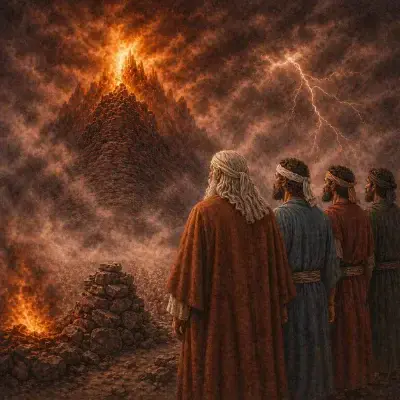
Scripture is highly specific about what acceptable worship looks like. When Nadab and Abihu offer “strange fire” before Yahweh in Leviticus 10, they are killed. When the Israelites build the golden calf in Exodus 32 and worship it as the god who brought them out of Egypt, the same God who performed the Exodus treats it as an act of covenant adultery and judges it severely. The concern throughout is that worship be directed to the right God, in the way he has prescribed, and not according to what feels right or appears reverent to human judgement.
What does it mean to worship in spirit and truth?
Jesus reorients the question of worship from location to substance in his conversation with the Samaritan woman: “God is spirit, and those who worship Him must worship in spirit and truth” (John 4:24). This does not free worship from all structure; it frees it from the particular structures of the Old Covenant tied to the Jerusalem temple, and points it toward the new covenant reality in which Christ is the mediator and the Spirit enables genuine access to God. Worship in spirit and truth is worship that engages the whole person and answers to who God actually is, not a matter of the right building or the right ritual alone.
How should Christians worship God?
Paul extends worship beyond formal gatherings into the whole of a believer’s life: “I exhort you, brothers, by the mercies of God, to present your bodies as a sacrifice, living, holy, and pleasing to God, which is your spiritual service of worship” (Romans 12:1). Worship, on this reckoning, is not confined to a service or a song. It is a life offered to God because of what he has already done in mercy, lived out as an ongoing act of devotion rather than an occasional performance.
Is It Biblical to Raise Hands in Worship?
Scripture describes it as an ordinary posture of worship rather than an unusual display. The psalmist calls Israel to “lift up your hands to the sanctuary and bless Yahweh” (Psalm 134:2), and Paul instructs the men at Ephesus to pray “lifting up holy hands, without wrath and dissension” (1 Timothy 2:8). In both places, lifted hands express what the heart is already doing: reaching toward God in dependence, praise, and surrender. Paul’s instruction is more concerned with the holiness of the hands being raised, free from wrath and dissension, than with the posture itself becoming a rule. Raising hands in worship is neither commanded of every believer at every moment nor forbidden. It is a biblical expression of worship, and where it flows from genuine reverence rather than performance, Scripture gives no ground to object to it.
Follow how this theme develops through the Bible.