Providence
What does the Bible say about God's providence?
Providence is God’s sovereign governance of all things: the continuous exercise of his power and wisdom to direct events, persons, and nations toward the ends he has determined. It is not occasional divine intervention in an otherwise independent world. It is the comprehensive, constant, personal oversight of everything that happens, from the rise and fall of empires to the number of hairs on a person’s head.
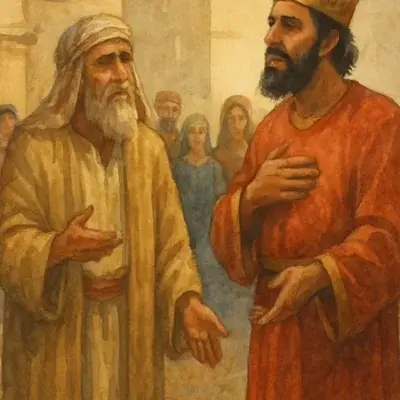
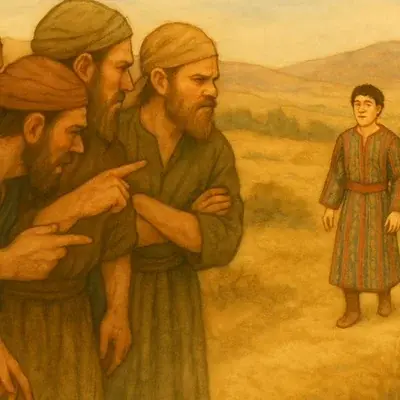
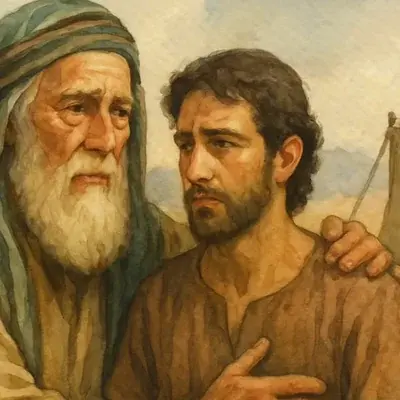
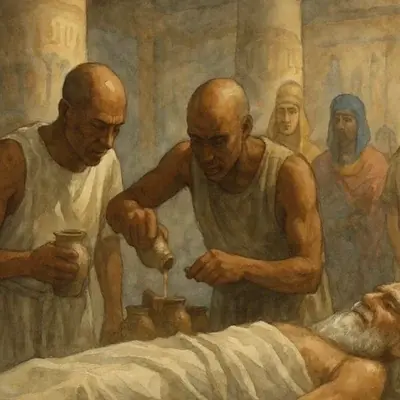
The story of Joseph is the clearest narrative demonstration of providence in the Old Testament. Sold into slavery by his brothers, falsely accused, imprisoned: every development appears to be a catastrophe. At the end, Joseph says to his brothers, “As for you, you meant evil against me, but God meant it for good.” The evil was real. The intention of the brothers was genuinely wicked. And behind it, directing it toward an end the brothers could not see and did not intend, was Yahweh.
The New Testament’s fullest statement of providence is Romans 8:28: “And we know that God causes all things to work together for good to those who love God, to those who are called according to His purpose.” This is a promise that God is governing all things, including suffering, loss, and death, toward the ultimate good of conforming his people to the image of his Son.
Does God control everything that happens?
Providence extends even to what looks like chance or a person’s own private plans. Solomon writes, “The heart of man plans his way, but Yahweh directs his steps” (Proverbs 16:9). A person genuinely makes real decisions, and Yahweh’s governance is not in competition with that. He directs the outcome of choices that are truly the person’s own, which is exactly what the Joseph narrative shows on a larger scale.
What is the difference between providence and predestination?
Providence and predestination are related but distinct. Providence is God’s ongoing governance of everything that happens in creation and history. Predestination is God’s eternal choice, made before creation, concerning the salvation of his people specifically. Paul brings both together in a single sentence: believers “have been made an inheritance, having been predestined according to the purpose of Him who works all things according to the counsel of His will” (Ephesians 1:11). The God who predestines his people to salvation is the same God who works all things, providence in the widest sense, according to that same purpose. Follow how this theme develops through the Bible.