Presence of God
What does the Bible say about Presence of God?
The presence of God is the central concern of Scripture from beginning to end. In Eden, Yahweh walked with man in the garden. After the fall, that access was cut off. The whole movement of redemptive history is the story of how Yahweh restores what was lost: not just forgiveness of sin, but the return of his dwelling among his people.
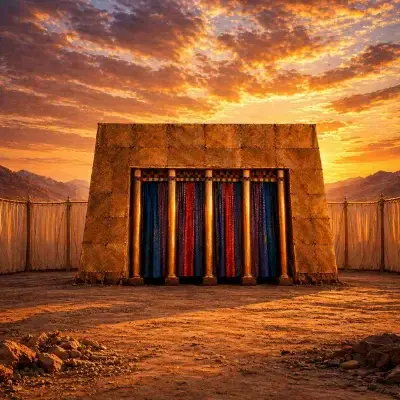
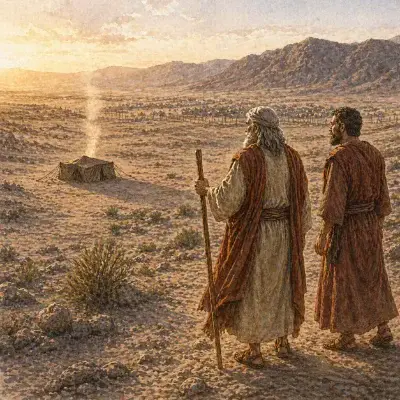
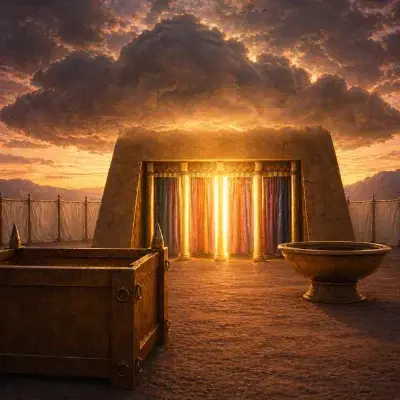
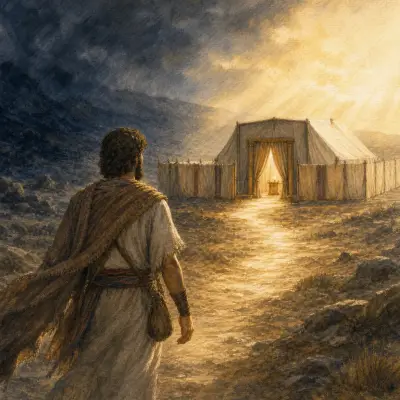
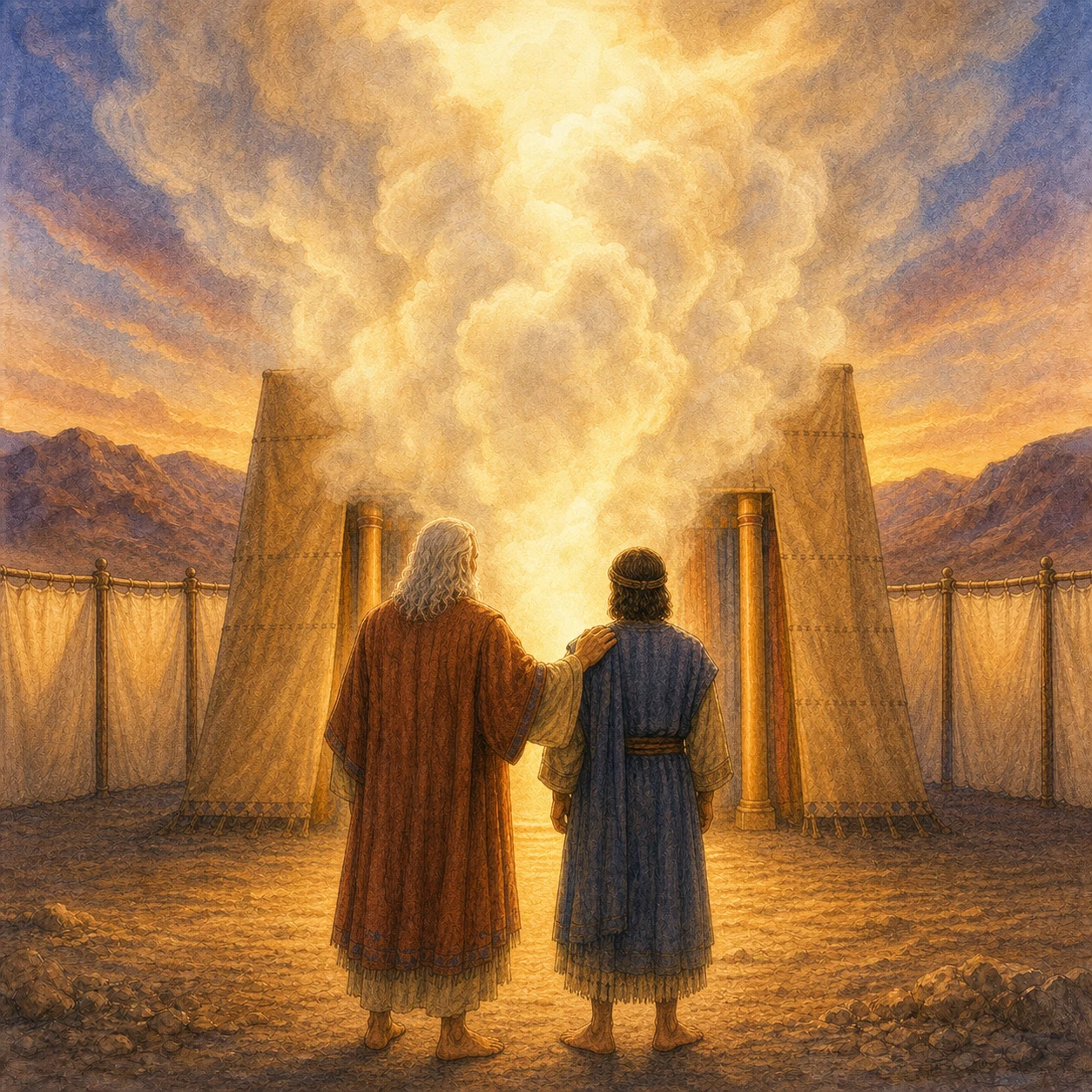
The Tabernacle is the first great answer to that longing. When Yahweh commands Moses to build a sanctuary in Exodus 25, his stated reason is direct: “Let them construct a sanctuary for Me, that I may dwell among them.” That nearness is never taken for granted in the Old Testament. Exodus 33 records Yahweh’s warning that his presence would be withdrawn, and Moses’ desperate intercession: “If Your presence does not go with us, do not lead us up from here.”
The New Testament declares that what the Tabernacle and Temple pointed toward has arrived in full. John 1 says that the Word became flesh and “tabernacled among us.” At his death, the temple curtain tears from top to bottom, removing the barrier between the holy God and sinful man. At Pentecost, the Spirit comes to dwell not in a building but in the people themselves. The promise Yahweh made in Ezekiel 37 is fulfilled: “I will put my Spirit within you.”
Where does God dwell today?
God’s presence no longer waits behind a curtain in a building. Paul asks the Corinthians to reckon with what that means practically: “do you not know that your body is a sanctuary of the Holy Spirit who is in you, whom you have from God, and that you are not your own?” (1 Corinthians 6:19). The believer’s own body has become what the Tabernacle and Temple once were: the place where God has chosen to dwell. This is why the presence of God is not primarily something to seek in a particular location, but a reality every believer already carries. Follow how this theme develops through the Bible.