Nations
What does the Bible say about the nations?
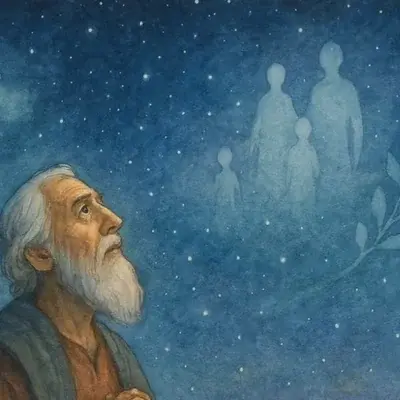
The nations are never peripheral to God’s purposes. From the call of Abraham in Genesis 12, “in you all the families of the earth will be blessed,” the salvation of the nations is the goal toward which redemptive history is moving. The particular election of Israel is not the end of the story; it is the means through which the blessing reaches all mankind.
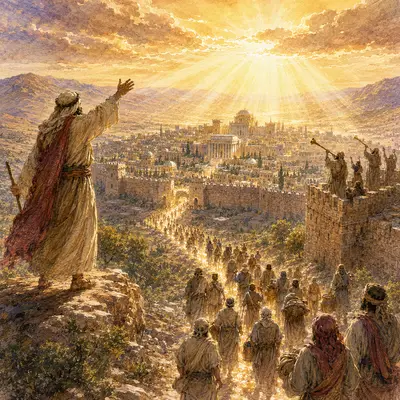
The Old Testament maintains a tension between Israel’s separation from the nations and the nations’ inclusion in Yahweh’s purposes. Israel is called to be distinct, to not adopt the worship of the surrounding peoples. At the same time, the Psalms repeatedly call the nations to praise Yahweh, and the prophets look forward to a day when people from every nation will stream to Zion.
Why did God divide the nations at Babel?
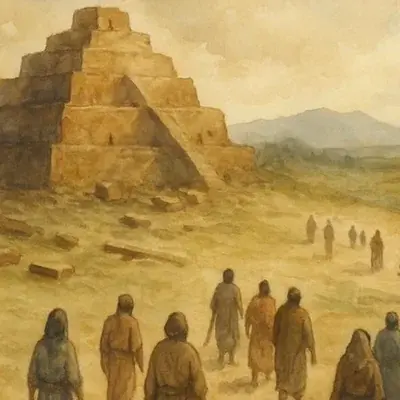
Genesis 11 records mankind united in rebellion, building a tower to make a name for themselves rather than filling the earth as Yahweh had commanded. Yahweh’s response is deliberate judgement on that unified defiance: “Come, let Us go down and there confuse their language, so that they will not understand one another’s language” (Genesis 11:6-7). The division of the nations was not the frustration of a good human project. It was Yahweh restraining a united rebellion, and it sets the stage for the call of Abraham in the very next chapter, where the God who scattered the nations at Babel begins the work of gathering them back through one man’s family.
What is God’s plan for all nations?
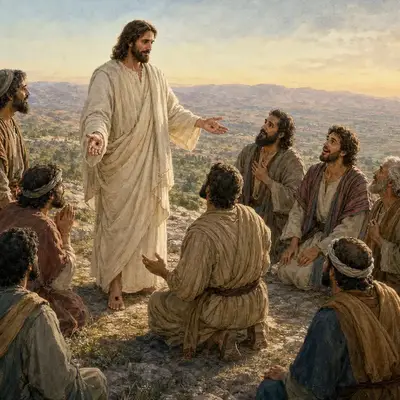
The scattering at Babel is not Yahweh’s last word about the nations. Christ’s final instruction to his disciples reverses it: “Go therefore and make disciples of all the nations, baptizing them in the name of the Father and the Son and the Holy Spirit” (Matthew 28:19). Pentecost enacts this in miniature: where the nations were scattered in confusion, the Spirit now gathers them in understanding. Revelation 7 shows the final vision of redemption fulfilled: “a great multitude which no one could count, from every nation and all tribes and peoples and tongues, standing before the throne and before the Lamb.” Follow how this theme develops through the Bible.