Holiness
What does the Bible say about Holiness?
“Be holy, for I am holy.” This command runs from Leviticus through 1 Peter, and its logic is always the same: the character of God is the standard for the character of his people. Holiness is not primarily a list of prohibitions. It is the state of being set apart for God and being conformed to his character.
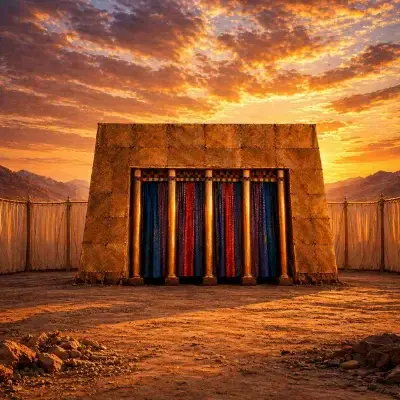
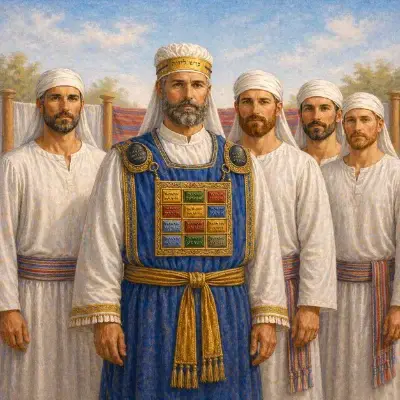
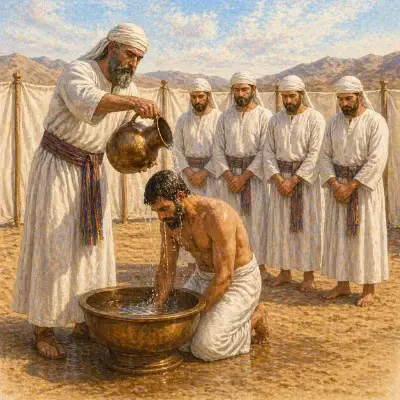
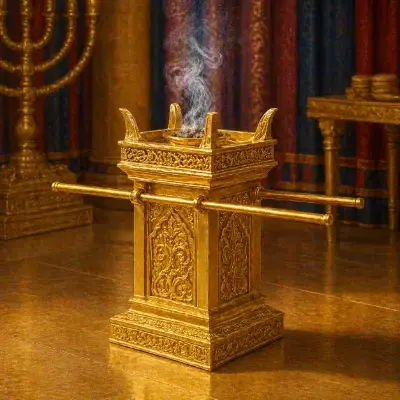
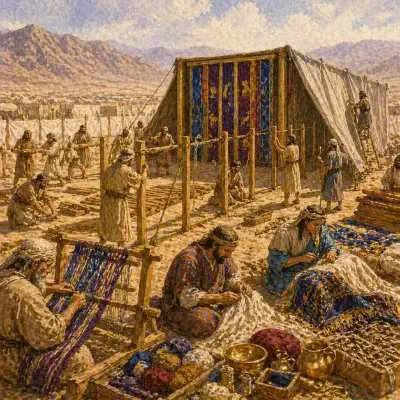
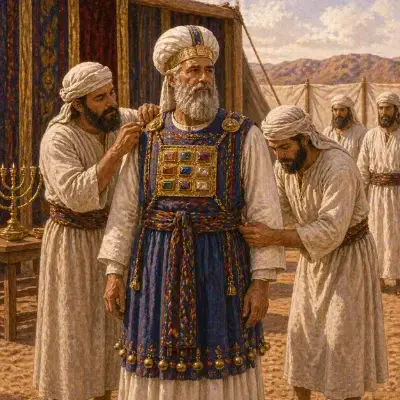
In the Old Testament, holiness is most visible in its ritual and ceremonial dimensions: the distinction between clean and unclean, the regulations for the tabernacle and temple, the consecration of priests, the separation of Israel from the nations. These structures are not arbitrary. They are the visible expression of a theological reality: Yahweh is holy, his people belong to him, and that belonging must be reflected in how they live.
What does it mean to be holy?
To be holy is to be set apart for God and increasingly conformed to his character. Paul writes that believers are to “cleanse themselves from all defilement of flesh and spirit, perfecting holiness in the fear of God.” The author of Hebrews writes that without holiness, “no one will see the Lord.” Holiness is not optional for the Christian; it is the direction of the life the Spirit is producing, and it touches every part of a person, not only outward behaviour.
How does the Holy Spirit produce holiness?
Holiness is not a standard Christians are left to reach by their own willpower. Paul tells the Thessalonians plainly what God intends for them: “this is the will of God, your sanctification” (1 Thessalonians 4:3). Sanctification is God’s own stated purpose for his people, carried out by the Spirit who indwells every believer. In the New Testament, the ceremonial structures of the Old Testament are fulfilled and transformed in Christ, and the holiness they represented is now pursued through the ongoing work of the Spirit rather than through ritual observance. Follow how this theme develops through the Bible.