Priesthood
What does the Bible say about Priesthood?
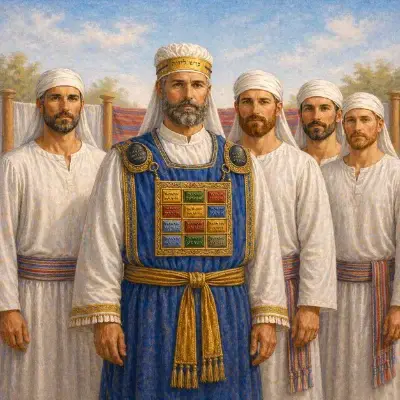
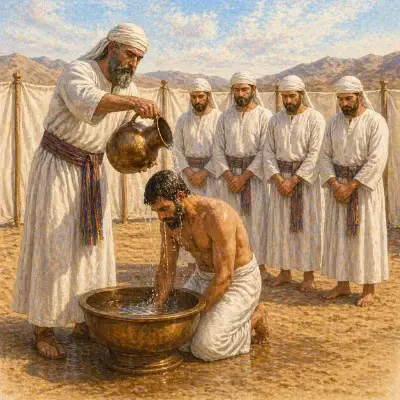
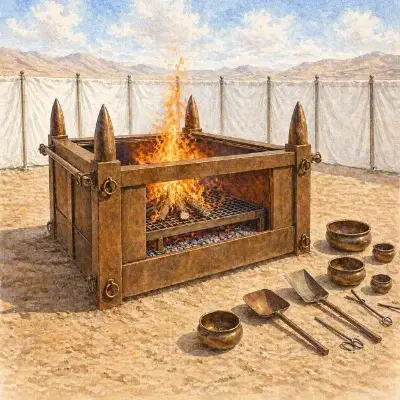
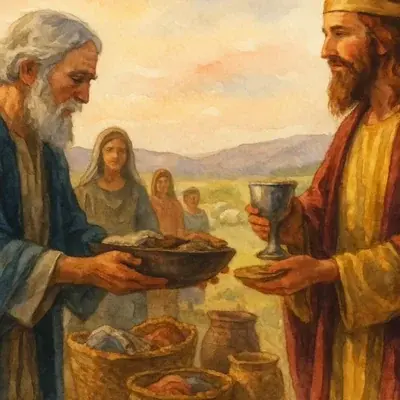
The priest in Israel stood between Yahweh and the people. He was not a teacher primarily, though he had a teaching role. He was a mediator: one who brought the offerings of the people to God and the word and blessing of God back to the people. The whole institution of the Aaronic priesthood was built on the problem of a holy God and a sinful people needing to live in proximity to each other without the people being consumed.
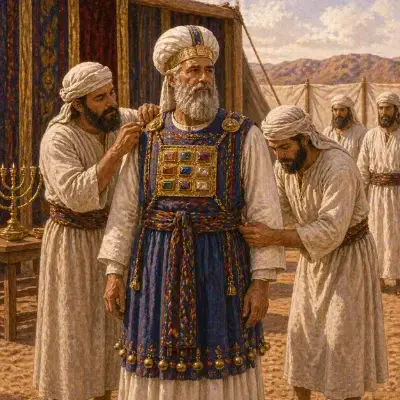
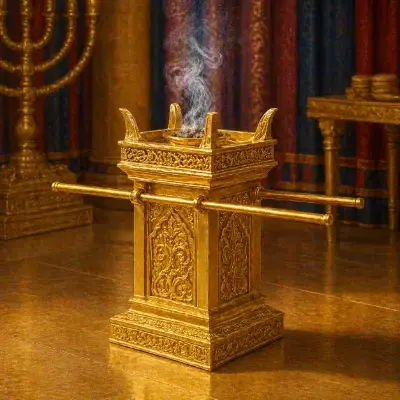
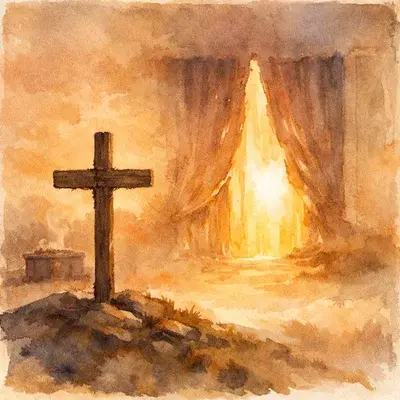
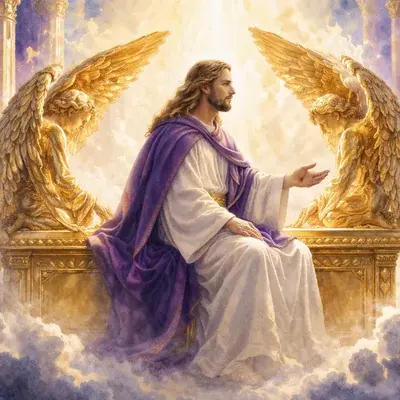
Access to God was strictly regulated. The most holy place, where Yahweh’s presence dwelt between the cherubim above the ark of the covenant, could be entered only once a year, only by the high priest, and only with the blood of sacrifice. Sin separates. Holiness cannot be approached casually.
What is the priesthood of all believers?
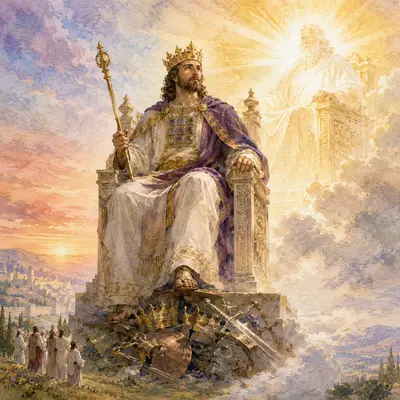
Peter applies priestly language to the whole church, not to a separate class within it: “you are a chosen family, a royal priesthood, a holy nation, a people for God’s own possession, so that you may proclaim the excellencies of Him who has called you out of darkness into His marvellous light” (1 Peter 2:9). Every believer now has direct access to God through Christ, without needing a human priest to mediate on their behalf, and every believer shares the priestly calling to proclaim who God is.
How is Jesus our great high priest?
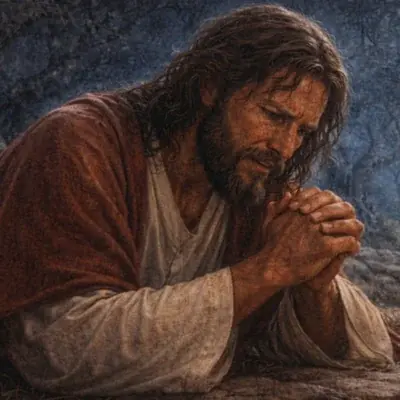
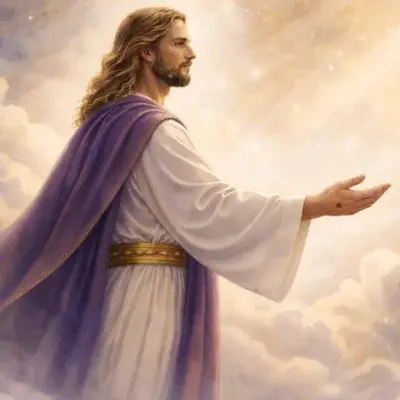
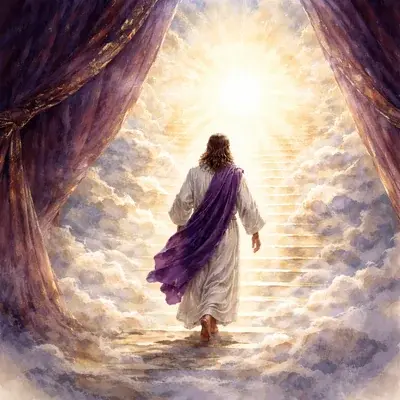
Hebrews argues that the Aaronic priesthood was always pointing beyond itself. Its limitations were built in: priests died and had to be replaced, their sacrifices had to be offered repeatedly, and they themselves were sinners who needed atonement. Christ fulfils and supersedes the entire institution: “we have a great high priest who has passed through the heavens, Jesus the Son of God… we do not have a high priest who cannot sympathize with our weaknesses, but One who has been tempted in all things like we are, yet without sin” (Hebrews 4:14-15). He is the high priest who has opened the way into the most holy place for all who come to God through him. Follow how this theme develops through the Bible.