Luke 1
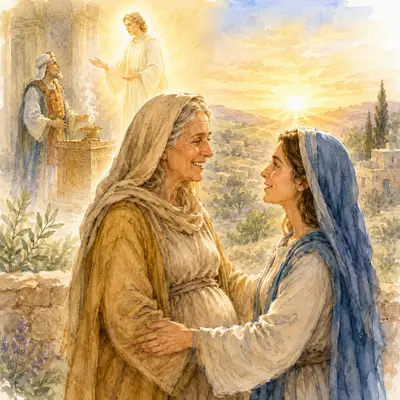
Gabriel announces two miraculous births: John to Zechariah and Elizabeth, Jesus the Son of David to Mary. Zechariah doubts and is silenced; Mary believes, and God fulfils His promise exactly as He had spoken.

New Testament
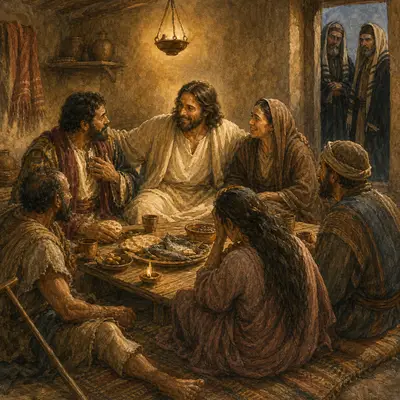
Luke wrote 'in orderly sequence' after careful investigation, so that his reader would know the certainty of the things he had been taught. His Gospel is deliberate history, anchored to census, emperor, and governor, and it is the Gospel of the outsider: shepherds at the manger, a Samaritan as the neighbour, tax collectors at the table, a crucified thief in paradise. Luke's Jesus announces His mission at Nazareth from Isaiah, good news to the poor, and states it again at Jericho: 'the Son of Man has come to seek and to save that which was lost.'
Luke gives us the parables of the lost sheep, the lost coin, and the prodigal son, more of Jesus at prayer than any other Gospel, and a long road to Jerusalem that dominates the book's centre. These chapter-by-chapter commentaries trace the Saviour of the lost and the certainty of the things fulfilled among us.
Gabriel announces two miraculous births: John to Zechariah and Elizabeth, Jesus the Son of David to Mary. Zechariah doubts and is silenced; Mary believes, and God fulfils His promise exactly as He had spoken.
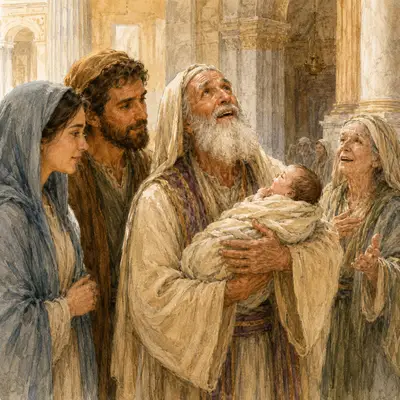
An imperial census brings Jesus to Bethlehem. Shepherds, then Simeon and Anna, testify to His identity as Saviour, Christ and Lord, and at twelve He already speaks of God as His Father.
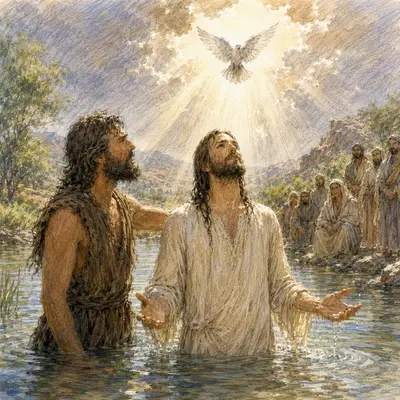
John calls Israel to repentance, warns of coming judgment, and points to the One who will baptise with the Spirit and fire. At Jesus' baptism, the Father names Him His beloved Son, and the genealogy traces Him back to Adam.
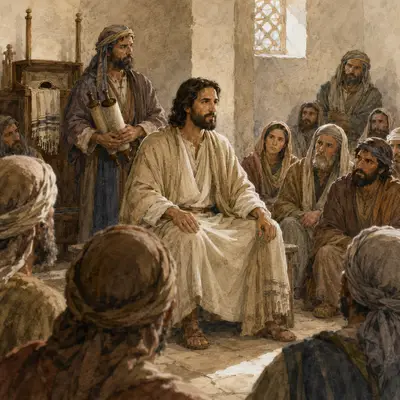
Satan tempts Jesus in the wilderness, Nazareth rejects Him as only Joseph's son, and demons cry out who He really is. Luke 4 tests, proclaims and confirms Jesus as the beloved, Spirit-anointed Son sent to bring the kingdom of God.
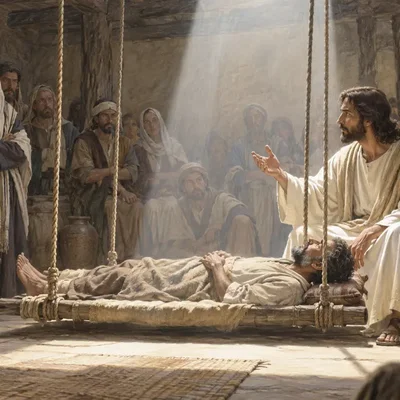
Jesus commands fish, cleanses a leper, and forgives a paralysed man's sins, provoking charges of blasphemy. He calls sinners like Levi to follow Him and names Himself the bridegroom, bringing a new covenant no old form can hold.

Jesus claims to be Lord of the Sabbath, heals on the Sabbath, and chooses twelve apostles. His Sermon on the Plain overturns worldly values with blessings and woes, warning that only obedience to His words builds a house that stands.
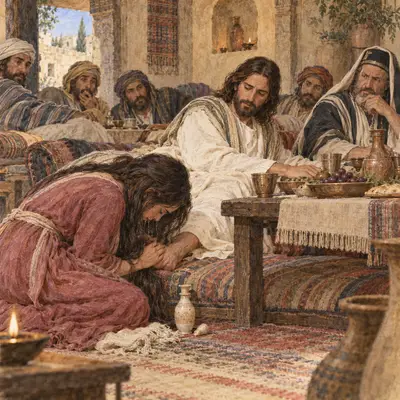
A Roman centurion's faith outshines Israel's, and a widow's son is raised at Nain. John questions whether Jesus is the One to come, a sinful woman is forgiven, and a Pharisee is left doubting who Jesus really is.