Sacrifice
What does the Bible say about Sacrifice?
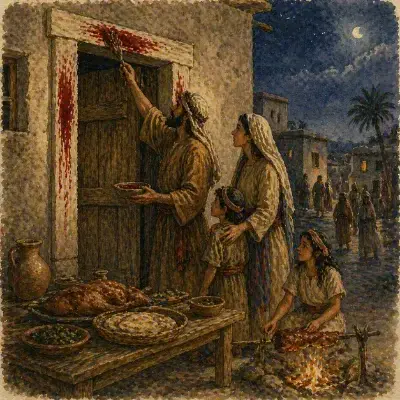
Sacrifice in Scripture is not a human attempt to appease an angry deity. It is a God-given institution designed to address the reality of human sin before a holy God. Yahweh establishes the sacrificial system; he is not manipulated by it. The logic of sacrifice is substitution: an innocent life offered in the place of the guilty, so that judgment falls on the substitute rather than the sinner.
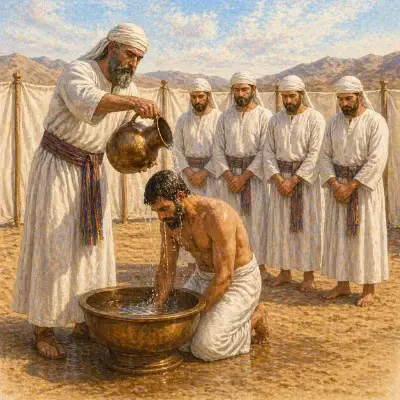
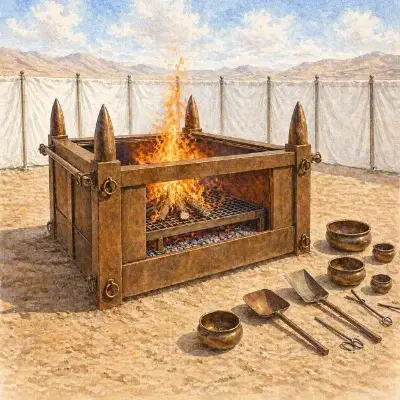
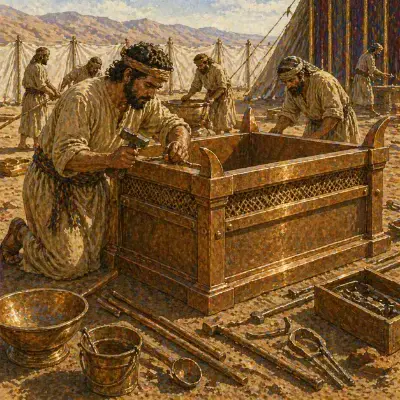
The Levitical sacrificial system is elaborate and exact. The burnt offering, the grain offering, the peace offering, the sin offering, and the guilt offering each address different aspects of the relationship between Yahweh and his people. The Day of Atonement is the climax of the annual calendar: the high priest entering the Most Holy Place with blood, the sins of the nation being symbolically placed on the scapegoat and sent into the wilderness.
Why did God require sacrifices?
Yahweh explains the principle behind the whole sacrificial system directly to Israel: “the life of the flesh is in the blood, and I have given it to you on the altar to make atonement for your souls; for it is the blood that makes atonement by the life” (Leviticus 17:11). Life was owed for sin, and the life of a substitute, not the sinner’s own, is what paid that debt. The blood was never a magical substance; it represented a life given in the place of the one who owed it.
How is Jesus the final sacrifice?
The book of Hebrews argues that the entire Levitical system was provisional, pointing to its own inadequacy: “it is impossible for the blood of bulls and goats to take away sins.” What it could do was foreshadow. Christ’s sacrifice on the cross is the reality the shadows pointed toward: “He, having offered one sacrifice for sins for all time, sat down at the right hand of God” (Hebrews 10:12). The repeated Levitical sacrifices never finished the work, which is why the priest offering them could never sit down. Christ’s sacrifice, offered once, actually finished it.
Why Does the Bible Say Obedience Is Better Than Sacrifice?
When Saul disobeyed Yahweh’s command against the Amalekites and then tried to justify keeping the plunder by claiming it was for sacrifice, Samuel confronted him with words that have echoed through Scripture ever since: “Has Yahweh as much delight in burnt offerings and sacrifices as in obeying the voice of Yahweh? Behold, to obey is better than sacrifice, and to heed than the fat of rams” (1 Samuel 15:22). Sacrifice was never meant to be a substitute for obedience. It presupposed obedience, a right relationship with Yahweh in which the offerer submitted to what he had commanded. Saul wanted the form of worship without the substance of submission, and Samuel’s rebuke exposes exactly what sacrifice was for. It was never a transaction that could purchase back what disobedience had already forfeited.
Follow how this theme develops through the Bible.