Mediatorship
What does the Bible say about Mediatorship?
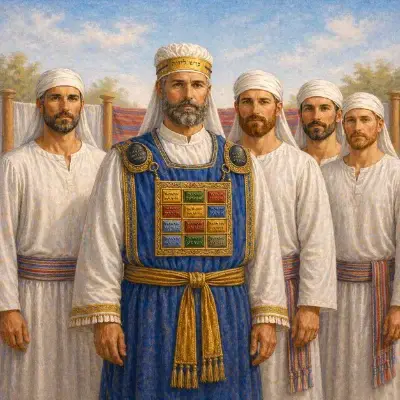
A mediator stands between two parties that cannot come together on their own terms. In Scripture, the fundamental problem requiring mediation is the gulf between a holy God and sinful mankind. Yahweh is perfectly holy; sinners cannot approach him without being consumed. The whole structure of the Old Testament, the priesthood, the sacrificial system, the tabernacle, is built around the fact that mediation is necessary and that Yahweh himself provides it.
Why did Israel need a mediator like Moses?
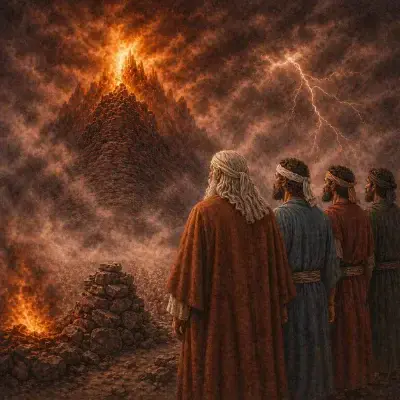
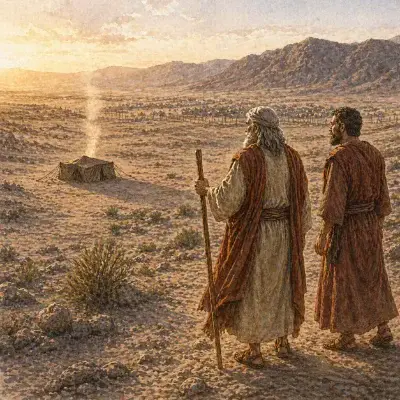
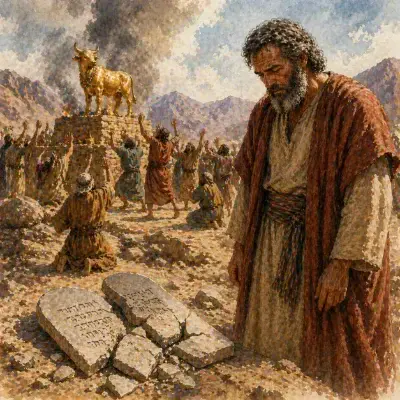
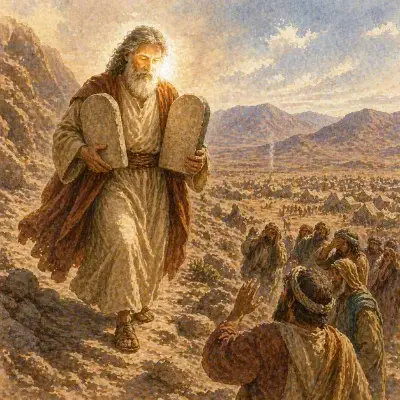
Moses is the first great mediator in the biblical narrative. He stands between Yahweh and Israel at Sinai, receiving the Law on the people’s behalf, interceding when they sin, and carrying messages in both directions. The people explicitly ask for this after hearing Yahweh’s voice at the mountain: “Speak to us yourself, and we will listen; but let not God speak to us, lest we die” (Exodus 20:19). The distance is real, and the need for someone to bridge it is acknowledged by both parties.
Who is the one mediator between God and mankind?
The New Testament declares that there is one mediator between God and mankind: “there is one God, and one mediator also between God and men, the man Christ Jesus” (1 Timothy 2:5). He does not merely pass messages; he takes the judgment that sin required, meets the Law’s full demand, and brings sinners into the very presence of God through his own blood. Follow how this theme develops through the Bible.