Repentance
What does the Bible say about Repentance?
Repentance is the turning of a person from sin toward God. It is not merely feeling sorry, and it is not merely resolving to do better. It involves genuine recognition of sin for what it is, genuine grief over it before God, and a genuine turning of direction. The Old Testament word for repentance carries the image of physically turning around: walking in one direction and then turning to walk in the other.
What did the prophets mean by “rend your heart”?
The prophets of the Old Testament call Israel to repentance repeatedly and with urgency. “Return to me,” Yahweh says through Joel, “with all your heart, and with fasting, weeping and mourning; and rend your heart and not your garments.” The external signs of repentance are worthless without the inward reality. What Yahweh is after is not ritual expression but a genuine turning of the heart back to him.
How does repentance relate to faith?
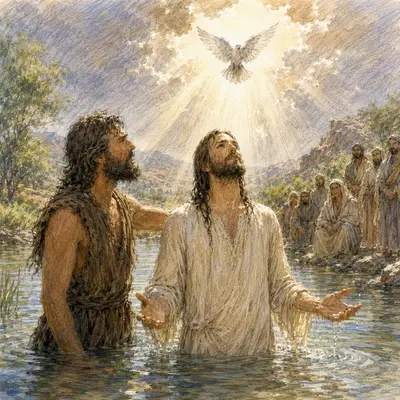
John the Baptist and Jesus both begin their public ministries with a call to repentance. It is the appropriate response to the announcement that the kingdom of God has come near. Peter’s first sermon at Pentecost ends with the command to “repent and be baptised.” Repentance is not something a person does before faith that earns a hearing from God; it is the posture of the person who comes to God through faith in Christ, acknowledging sin and trusting in the mercy of the one who forgives. Follow how this theme develops through the Bible.