New Covenant
What does the Bible say about the New Covenant?
The New Covenant is announced by Jeremiah in one of the most significant prophetic passages in the Old Testament. Writing to exiles who have seen the Mosaic covenant broken beyond repair, Jeremiah declares that Yahweh will make a new covenant with the house of Israel: “I will put My law within them and write it on their heart; and I will be their God, and they shall be My people” (Jeremiah 31:33). The problem with the old covenant was not the Law itself, which was holy and righteous and good; it was that Israel’s heart remained unchanged.
How is the New Covenant different from the old covenant?
What distinguishes the New Covenant from the old is not a different God or a different standard of righteousness, but a different means of producing obedience. Under the Mosaic covenant, the Law was written on stone and addressed from the outside. Under the New Covenant, the Spirit writes the Law on the heart, producing from the inside the obedience the Law required. The forgiveness promised in Jeremiah 31:34, “I will forgive their iniquity, and their sin I will remember no more,” is the foundation of the whole: the relationship is not continually disrupted by sin in the way the old covenant was, because the sin has been fully dealt with.
How does Jesus inaugurate the New Covenant?
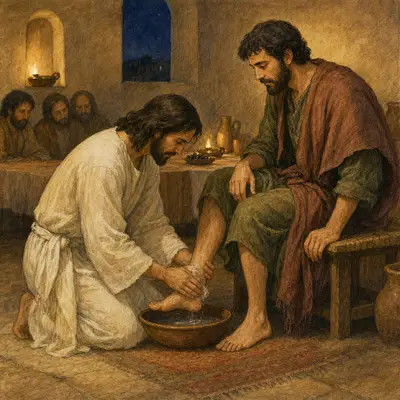
Jesus inaugurates the New Covenant at the Last Supper: “This cup is the new covenant in My blood” (1 Corinthians 11:25). The blood of the covenant is his own, shed at the cross. Hebrews argues at length that the New Covenant is better than the old in every respect: better promises, a better mediator, a better sacrifice, a better sanctuary. The old was a shadow; the new is the reality. Follow how this theme develops through the Bible.