Intercession
What does the Bible say about Intercession?
Intercession is prayer on behalf of another. In Scripture it is more than a devotional practice; it is a covenantal responsibility that certain individuals bear at critical moments in redemptive history. When the outcome for an entire people hangs in the balance, it is the intercessor who stands in the gap between the holy God and the people who have broken covenant.
How did Moses intercede for Israel?
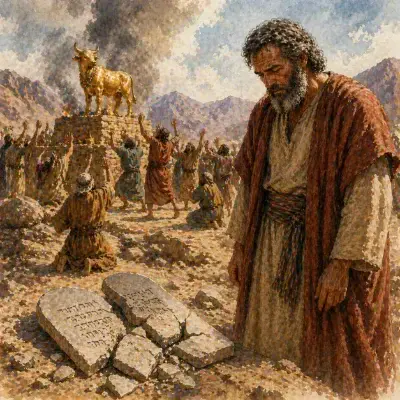
Moses is the great intercessor of the Old Testament. After the golden calf in Exodus 32, Yahweh announces that he will destroy the people and start again with Moses. Moses refuses. He stands between Yahweh’s wrath and the people he leads, appealing to Yahweh’s own name, his oath to Abraham, and his reputation among the nations. Yahweh relents. The intercession of Moses does not change Yahweh’s ultimate purposes, but it is the means through which those purposes are carried out.
How does Christ intercede for believers today?
The New Testament presents Christ as the ultimate intercessor. Hebrews 7:25 states that “He always lives to make intercession” for those who come to God through him. His intercession is not a second prayer added alongside the cross; it is the ongoing application of the finished work of the cross to the ongoing need of his people. Follow how this theme develops through the Bible.