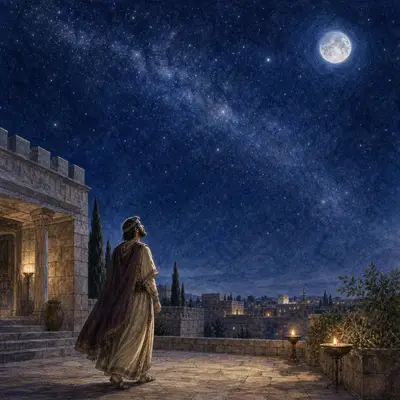
Psalm 8
Psalm 8 grounds mankind's dignity and dominion in Yahweh's majesty, tracing the creation mandate from Genesis 1 to its fulfilment in Christ, crowned with glory and honour in Hebrews 2.

Old Testament
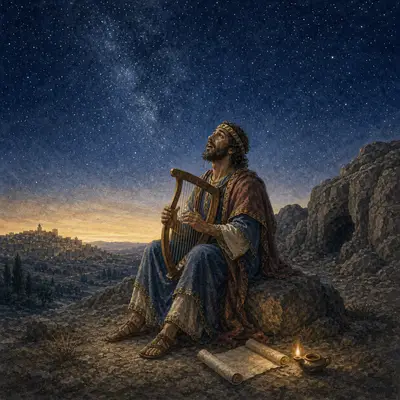
The book of Psalms is Israel’s inspired collection of prayers, songs, laments, praises, confessions, and royal hopes. The psalms were written across many centuries, from the time of Moses, as Psalm 90 shows, through David and the temple singers, and into the period after the exile. David is the chief human voice in the Psalter, but he is not the only writer. The collection also includes psalms connected with Asaph, the sons of Korah, Solomon, Moses, Ethan, and others. This means the book does not come from one moment in Israel’s history. It gathers the worship of God’s people across generations, through wilderness, kingdom, exile, return, suffering, repentance, and hope.
The collection of Psalms, also known as the Psalter, was arranged into five books: Psalms 1–41, 42–72, 73–89, 90–106, and 107–150. This arrangement is theological: its sequence teaches us about God. Each book ends with a doxology, and the whole collection moves from the blessed man who delights in the Law of Yahweh, through the rise and suffering of the Davidic king, through the crisis of the kingdom, and finally into the praise of Yahweh who reigns forever. The Psalms were used in Israel’s worship, especially in connection with the tabernacle and temple, but they were also given to shape the prayers, songs, and wisdom of God’s people in every generation. They teach us how to speak to God truthfully: in trust, grief, repentance, fear, thanksgiving, and praise.
The Psalms must also be read in the light of Christ. Jesus Himself prayed the Psalms, fulfilled the hope of the righteous sufferer and the Davidic king, and taught that the Psalms spoke about Him. After His resurrection He said, “all things which are written about Me in the Law of Moses and the Prophets and the Psalms must be fulfilled” (Luke 24:44). So the Psalms are not only the songs of Israel. They are the Spirit-given prayers of God’s covenant people, fulfilled in Christ, and given to the church so that we may know Yahweh rightly, understand ourselves truthfully, and worship God according to His own Word.
Psalm 8 grounds mankind's dignity and dominion in Yahweh's majesty, tracing the creation mandate from Genesis 1 to its fulfilment in Christ, crowned with glory and honour in Hebrews 2.
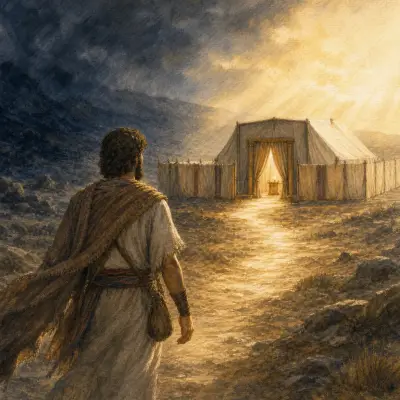
Psalm 27 declares Yahweh to be our light and salvation, teaching us to seek His face, trust His protection, and wait courageously for His goodness.
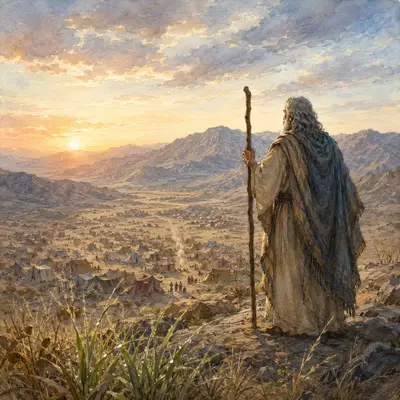
Psalm 90 sets God's eternity against man's mortality, showing that death is God's judgment on sin. Moses prays that Yahweh would teach His people to number their days and satisfy them with covenant mercy.
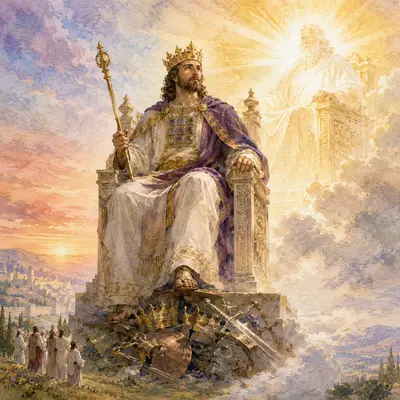
David hears Yahweh enthrone someone he calls "my Lord" at his own right hand and swear him into Melchizedek's priesthood. Psalm 110 is the Old Testament's most quoted chapter in the New Testament, naming Jesus King and Priest forever.