Pride
What does the Bible say about Pride?
Pride in Scripture is not confidence or healthy self-respect. It is the exaltation of the self in opposition to God: the creature refusing to acknowledge dependence on the Creator, the sinner refusing to acknowledge guilt before the Judge, the man or woman seeking glory that belongs to God alone. Proverbs 16:18 states the pattern plainly: “Pride goes before destruction, and a haughty spirit before stumbling.”
What does Nebuchadnezzar teach about pride?
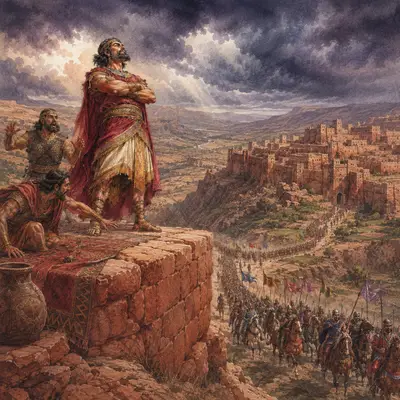
The clearest narrative of pride and its consequences is Nebuchadnezzar in Daniel 4. He surveys Babylon, the city his power has built, and gives the glory to himself rather than to the God who raised him up. The judgment follows immediately: he is driven from men, lives with the animals, and only when he acknowledges the sovereignty of the God of heaven is his reason and his kingdom restored. The lesson the text draws is explicit: “those who walk in pride He is able to humble.”
Why does God oppose the proud?
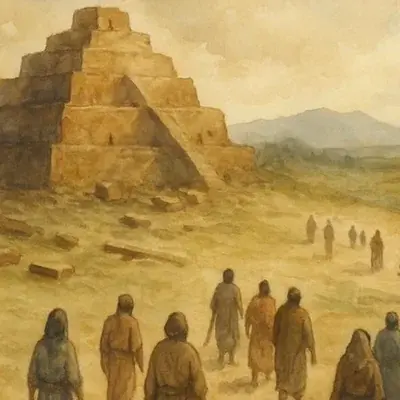
James and Peter both quote Proverbs 3:34: “God is opposed to the proud, but gives grace to the humble.” The opposition of God to human pride is not a minor theme in Scripture; it runs from the tower of Babel to the fall of Babylon in Revelation. The humbling of the proud and the exaltation of the humble is one of the consistent patterns of how Yahweh governs history. Follow how this theme develops through the Bible.