Kinsman Redeemer
What does the Bible say about the kinsman redeemer?
The kinsman-redeemer, the goel, is one of the most concrete legal mechanisms in the Old Testament for expressing covenant care within a community. The goel was the nearest male relative with both the right and the responsibility to act in the interests of a family member who had fallen into poverty, lost land, or been enslaved. He could buy back the land, free the person from slavery, and, in the levirate tradition, marry the widow of a deceased kinsman to preserve his name and inheritance.
How does the kinsman-redeemer work in the book of Ruth?
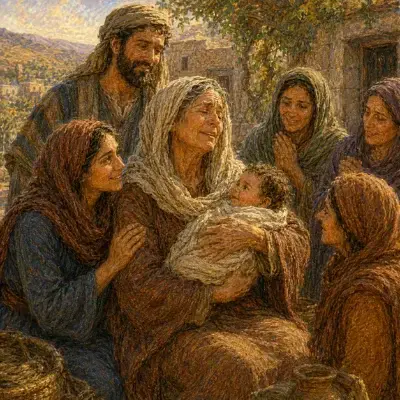
Ruth is the primary biblical narrative built around the goel institution. Ruth and Naomi return to Bethlehem with nothing. Boaz, a relative of Naomi’s deceased husband, becomes the means through which their situation is reversed. The legal transaction in Ruth 4 is precise: the nearer kinsman refuses because the redemption would endanger his own inheritance. Boaz takes the obligation and the opportunity, restoring the land, marrying Ruth, and preserving the name of the dead.
How is Jesus our kinsman-redeemer?
The New Testament does not use the goel language explicitly, but the reality it describes is fulfilled in Christ. He is the one who, as the ultimate nearest relative, takes on the obligation that no one else could bear: paying the debt of sin, restoring what was lost, and preserving the name and inheritance of those who belong to him. Hebrews argues that he became like his brothers in every respect precisely so that he could act as their redeemer. Follow how this theme develops through the Bible.