Outside the Camp
What does the Bible say about Outside the Camp?
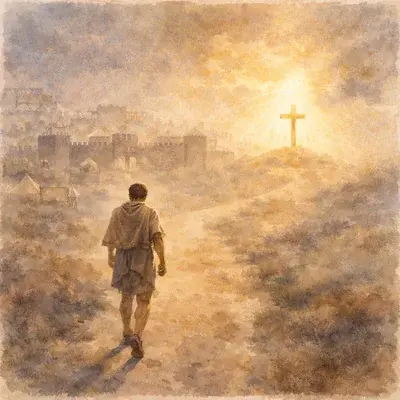
Outside the camp was, under the old covenant, the place of exclusion, where the bodies of certain sin offerings were burned once their blood had been carried into the sanctuary (Leviticus 16:27). It was a place associated with uncleanness and rejection, set apart from the camp where Yahweh’s presence dwelt among his people.
Why did Christ suffer outside the camp?
The writer of Hebrews draws a direct line from that pattern to Christ’s crucifixion: “Jesus also, that He might sanctify the people through His own blood, suffered outside the gate” (Hebrews 13:12). Christ was cast out, treated as unclean and rejected, in order to make his people clean and accepted before God, fulfilling in his own body what the burned offerings could only foreshadow.
What does it mean to bear Christ’s reproach?
From this, the writer issues a direct call to believers: “So then, let us go out to Him outside the camp, bearing His reproach” (Hebrews 13:13). To follow Christ is to accept the same rejection he bore, forsaking security within the world’s approval for the sake of the greater city that is to come (Hebrews 13:14). Follow how this theme develops through the Bible.