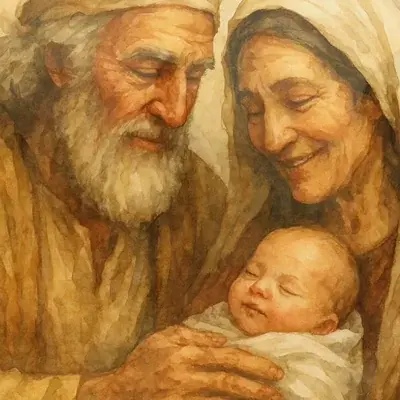
Circumcision
What does the Bible say about Circumcision?
Circumcision is the covenant sign given to Abraham in Genesis 17 as the mark of membership in the covenant community. Every male in Abraham’s household is to be circumcised, and every male descendant in subsequent generations. The sign in the flesh is the outward marker of belonging to the people with whom Yahweh has entered into covenant. Its placement is significant: it marks the organ of procreation, pointing to the promise of descendants through whom the covenant line will continue.
What is circumcision of the heart?
The limitation of circumcision as a covenant sign is exposed throughout the Old Testament. Moses, the mediator of the Sinai covenant, has an uncircumcised son (Exodus 4). Jeremiah announces that Yahweh will judge circumcised and uncircumcised alike (Jeremiah 9:25), because Israel is “uncircumcised of heart.” Moses himself promises that Yahweh will one day do what the outward sign could not: “Yahweh your God will circumcise your heart and the heart of your seed, to love Yahweh your God with all your heart and with all your soul, so that you may live” (Deuteronomy 30:6). The sign in the flesh does not guarantee covenant faithfulness. What it pointed to, an inward change only Yahweh himself could perform, was not automatically present.
Does circumcision still matter for Christians?
Paul’s argument in Galatians and Romans turns on this distinction. Circumcision is not the ground of justification before God; Abraham was justified by faith before he was circumcised (Romans 4:10-11). Physical circumcision was a sign pointing to the reality of a circumcised heart: a new creation, an inward belonging to God. In Christ, the outward sign has been superseded by the work of the Spirit, who performs the true circumcision “made without hands” (Colossians 2:11). Follow how this theme develops through the Bible.